
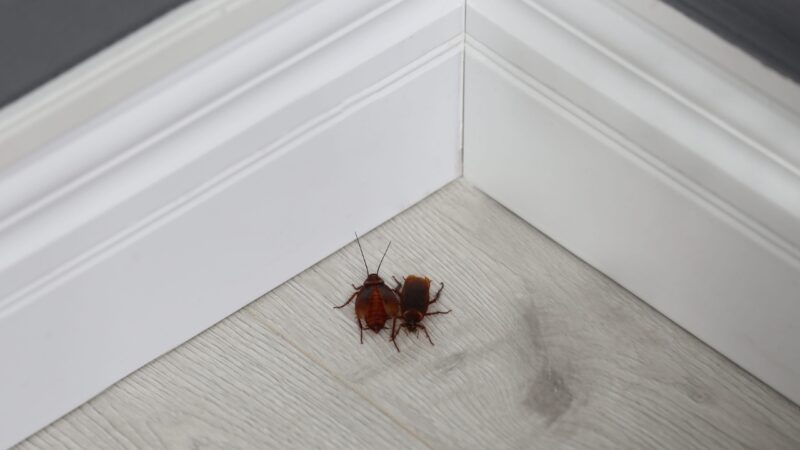
Finding a bug indoors in Iowa does not always mean the house is infested. Some insects live and reproduce inside homes, some wander in from the yard, and others enter during fall when they are looking for a protected place to spend the winter.
The useful part is identifying which type you have. A few ants near a kitchen window call for a different response than carpenter ants coming from a wall.
A single boxelder bug is mostly a nuisance, but repeated cockroach sightings deserve much more attention. The same distinction applies to spiders, carpet beetles, silverfish, pantry moths, and the other small creatures that turn up under Iowa roofs.
Here Are the Most Common House Bugs in Iowa
Bug
Where you are likely to see it
Main concern
House centipedes
Basements, bathrooms, utility rooms
Mostly a nuisance, but repeated sightings can point to moisture and other insects
Ants
Kitchens, bathrooms, walls, windows
Food contamination, persistent colonies, possible wood nesting with carpenter ants
Spiders
Basements, garages, windows, corners
Most are harmless predators
Boxelder bugs
Windows, walls, sunny exterior siding
Seasonal nuisance
Asian lady beetles
Windows, attics, wall voids
Seasonal nuisance and staining
Carpet beetles
Closets, windowsills, carpets, stored fabrics
Larvae can damage animal-based materials
Silverfish
Bathrooms, basements, bookshelves
Can damage paper, books and some fabrics
Cockroaches
Kitchens, bathrooms, appliances, cabinets
Food contamination and indoor infestation
Indianmeal moths
Pantries, cupboards, ceilings near stored food
Infested dry food
Drain flies
Sinks, showers, floor drains
Organic buildup inside drains
Bed bugs
Beds, furniture, cracks near sleeping areas
Biting pest that requires targeted control
1. House Centipedes
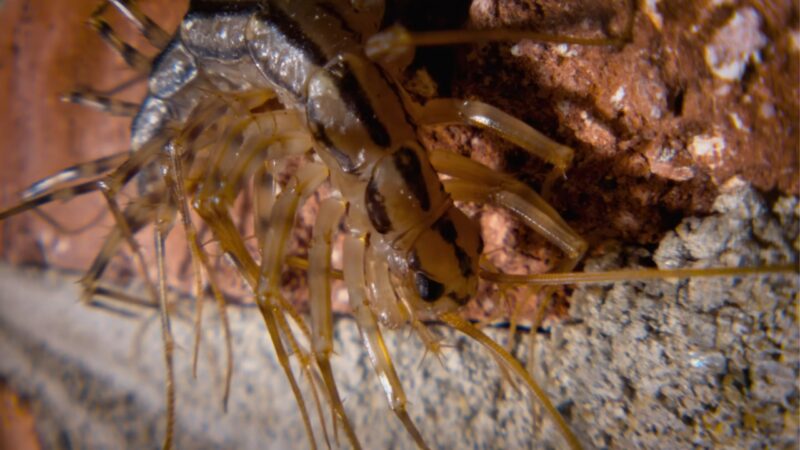
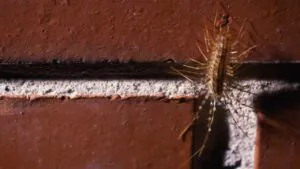
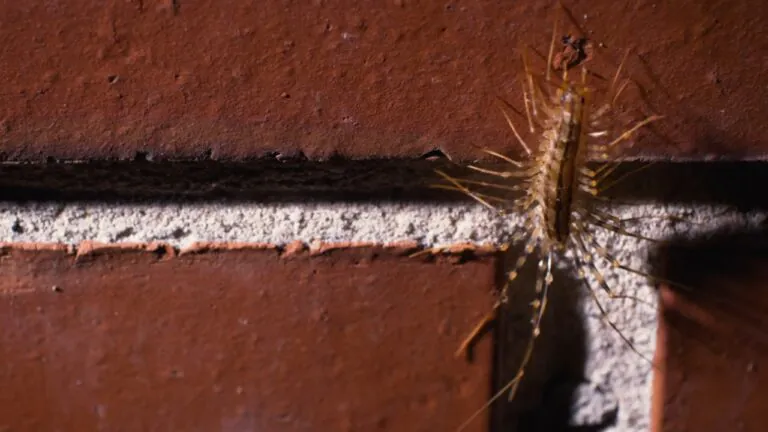
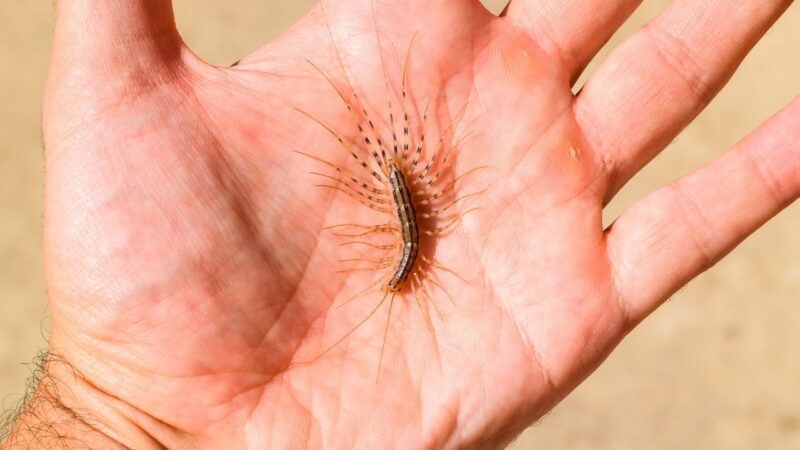
House centipedes are among the easiest Iowa household visitors to recognize. They have a narrow body, 15 pairs of long legs, and an ability to move across a floor much faster than their appearance suggests.
They are most at home in damp, protected areas such as basements, bathrooms, crawl spaces, and utility rooms. House centipedes are predators, so they are not eating wood, clothing, or stored food. They hunt spiders, silverfish, flies, small cockroaches, and other arthropods.
Iowa State University Extension and Outreach describes house centipedes as common in damp areas of homes and generally harmless to people.
One centipede in a basement is not a major concern. Seeing them repeatedly is a reason to check for excessive humidity, leaks, and other insect activity. A house that supports plenty of prey gives centipedes a reason to stay.
What to do
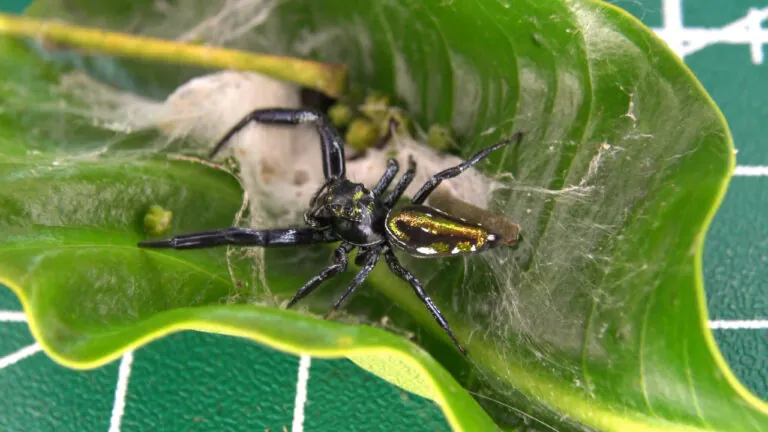
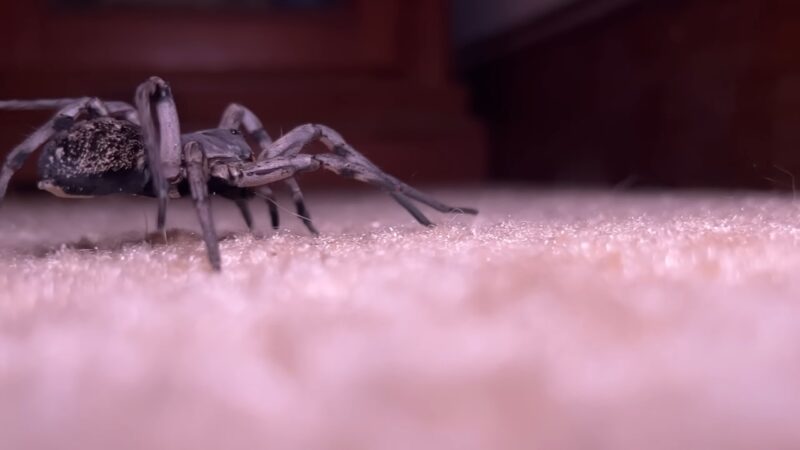
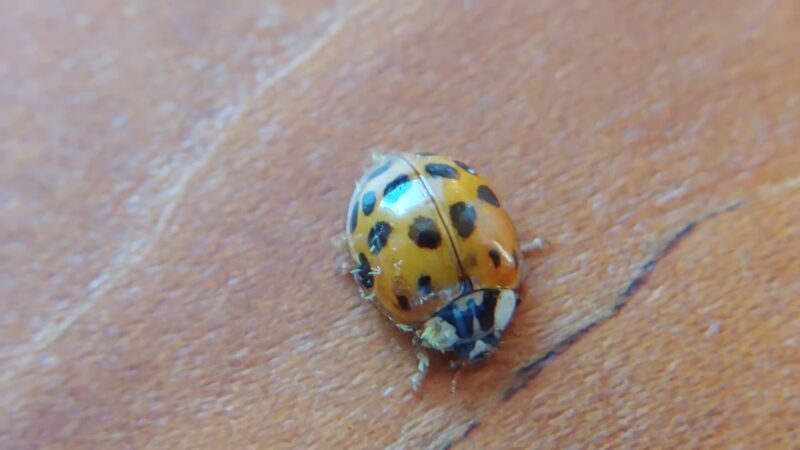
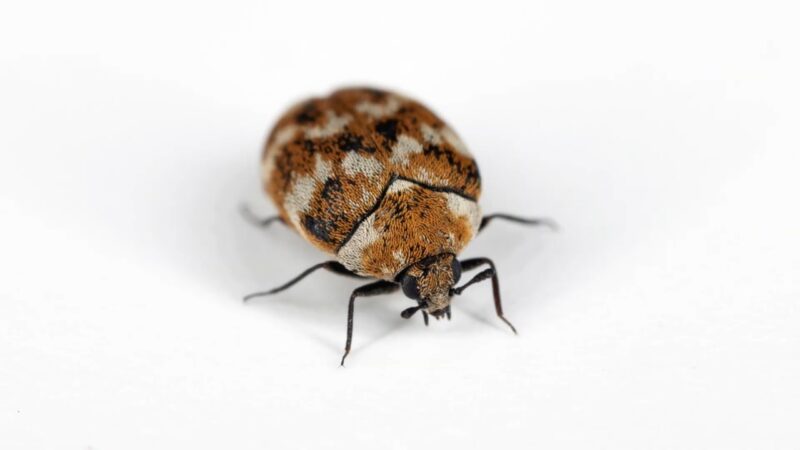
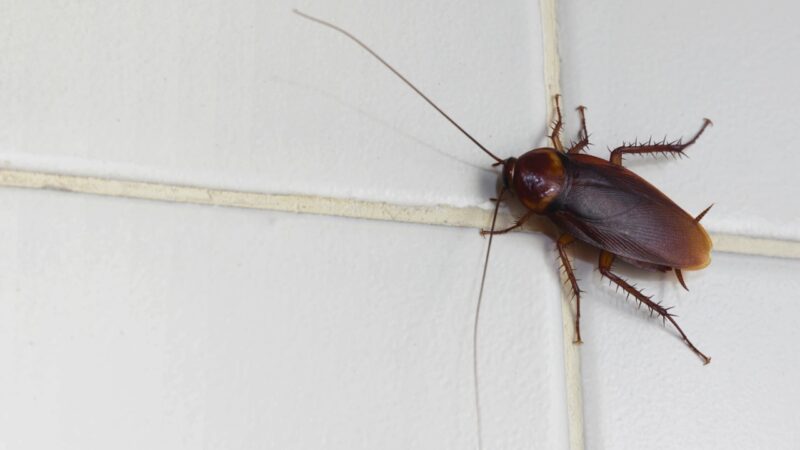
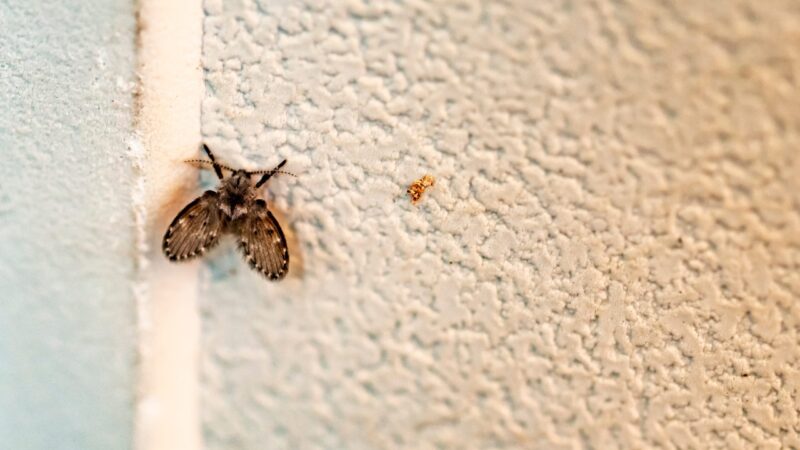
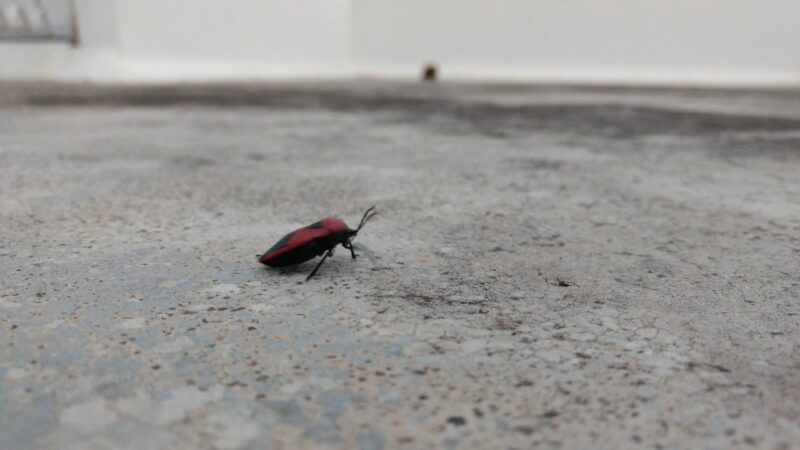
During spring and summer, many ants found in kitchens are workers coming from outdoor colonies in search of food. Iowa State University Extension notes that roughly half a dozen ant species are regularly encountered inside homes. Small ants forming trails across counters may be odorous house ants or grease ants. Carpenter ants are considerably larger and deserve more attention when they appear repeatedly indoors. Odorous house ants are small, dark brown ants about one-eighth of an inch long. Their name comes from the unpleasant odor released when they are crushed, commonly compared with rotten coconut. They can nest outside under stones, logs, and mulch or inside wall and floor voids, especially where conditions are warm or damp. A few workers inside can simply be searching for food. Large numbers or winged ants indoors suggest a colony may be inside the structure. Grease ants, also called thief ants, are among the smallest household ants found in Iowa. Iowa State University describes them as roughly 1 to 1.5 millimeters long. They prefer fatty and greasy foods and can establish nests behind baseboards, under floors, inside cabinets, and in wall cracks. Carpenter ants are more important because they excavate wood to create nesting galleries. They do not eat wood the way termites do. They remove it while constructing the nest. Iowa State University notes that carpenter ants are abundant in Iowa and are common pests in homes and buildings. Look for coarse sawdust-like material near walls, trim, or structural wood. Large black ants appearing indoors during winter are another useful clue because they are more likely to be coming from a nest inside the building. More details are available in the Iowa State University guide to carpenter ants in homes. Spiders are common in Iowa homes because houses provide sheltered corners and a steady supply of small insects. Most indoor spider sightings involve harmless species. Iowa State University notes that only a very small number of Iowa spiders present meaningful medical concern, and black widows and brown recluses are rare in the state. Spiders do not infest food or damage the structure. They are predators feeding on insects and other arthropods. Iowa also has a large variety of jumping spiders. Our guide to jumping spiders in Iowa covers species such as bold jumpers, bronze jumpers and white-jawed jumping spiders that turn up around homes, fences and gardens. Vacuuming webs, egg sacs and individual spiders is usually enough for ordinary indoor activity. Reducing insects around windows and doors also removes the food source attracting spiders. Sealing openings around doors, windows, siding, and foundations limits the number wandering indoors from outside. Boxelder bugs become especially noticeable in Iowa during fall. Adults are dark insects with reddish-orange markings. They spend summer feeding on trees and other plants, including boxelder and maple, then begin searching for protected places as temperatures fall. Homes provide an ideal winter shelter. Iowa State University Extension explains that boxelder bugs gather on warm, sunny sides of buildings and enter through foundation cracks, siding gaps, windows, and doors. Once inside wall voids or attics, they remain relatively inactive until indoor heat or winter sunlight warms them. A homeowner can suddenly see boxelder bugs crawling around a window in January even though the insects entered the building months earlier. No. Boxelder bugs do not reproduce indoors, feed on the house, or damage furniture. They are mainly a nuisance. The best control happens before they get inside. Seal cracks, repair screens, and close gaps around windows, doors, and siding. The orange or red beetles covering sunny walls in fall are frequently multicolored Asian lady beetles rather than native ladybugs. The species became established in Iowa during the 1990s and is now a regular fall visitor around homes. Asian lady beetles spend winter inside protected spaces such as wall voids and attics. On warmer winter or early spring days, some become active and wander into living areas. Iowa State University reports that the beetles are beneficial predators outdoors because they consume aphids, but they become a substantial nuisance when large numbers enter houses. They can also release a yellowish defensive fluid when disturbed. The fluid has a strong smell and can stain light-colored surfaces. Vacuum beetles that have already entered the house rather than crushing them against walls or curtains. Exterior sealing during late summer and early fall is far more useful than trying to eliminate beetles after they are inside wall cavities. Carpet beetles are tiny enough to be missed until adults begin appearing around windows. The varied carpet beetle is small, round, and covered with a mottled pattern of dark, white, yellow, and orange scales. The larvae look completely different. They are brown, hairy, and elongated or oval depending on the species. Adults are not responsible for household damage. The larvae are. Carpet beetle larvae feed on animal-derived material including: Modern synthetic carpet is not their preferred food despite the name. Iowa State University notes that carpet beetles found in Iowa homes are frequently feeding on dead insects accumulated in wall voids and attics rather than on the carpet itself. Cleaning, vacuuming, and finding the material supporting the larvae are the main steps. They prefer protected areas with moisture and tend to move quickly when exposed. Silverfish feed on materials containing starches and carbohydrates. According to Iowa State University Extension, large long-term infestations can damage or stain paper, books, wallpaper, fabric, and some foods. A few silverfish are mostly a nuisance. Regular sightings across multiple rooms are a reason to check humidity and hidden moisture. Cockroaches belong in a different category from harmless seasonal invaders because some species can establish permanent indoor populations. They hide during the day and become active after dark, particularly in kitchens and bathrooms where food, moisture, and warmth are available. Iowa State University Extension warns that cockroaches can contaminate food, utensils, and countertops and that cockroach allergens can trigger asthma. A house does not have to be dirty to develop a cockroach problem. An insect can arrive in boxes, packages, used appliances, or other transported materials and then establish itself where food and water are available. Wood cockroaches are native outdoor insects found throughout Iowa. They live in moist wooded areas and occasionally wander or get carried indoors. They resemble household cockroaches but normally do not reproduce inside homes. Iowa State University recommends moving firewood away from the house and keeping it outdoors until needed because wood roaches can hide in or around firewood. Repeated sightings of small household cockroaches in a kitchen are a much stronger reason for concern than finding one wood roach beside a door. Small moths flying around the kitchen can come from food stored inside a cupboard. The Indianmeal moth is one of Iowa’s common pantry pests. Adults have distinctive two-colored wings, with a lighter inner portion and a coppery-brown outer portion. The moth itself is not eating your food. Its larvae are. Iowa State University Extension lists a wide range of foods that larvae can infest: Larvae eventually leave the food to find a place to pupate, so small caterpillars crawling across a kitchen wall or ceiling can come from an infested package several feet away. The key is finding the infested food. Check opened and unopened dry products, including forgotten pet food and bird seed. Dispose of heavily infested material and vacuum pantry corners, cracks and shelf joints. Spraying the cupboard without removing the infested product will not eliminate the source. Drain flies look like tiny fuzzy moths and tend to sit on bathroom or kitchen walls near sinks and drains. The adults are only the visible part of the problem. The larvae develop in the gelatinous organic film that accumulates inside slow-moving or rarely used drains. They can also breed around persistent leaks and other areas containing moist decaying material. Iowa State University calls them moth flies but notes that “drain fly” is a useful name because drains are among their most common indoor breeding sites. Read the Iowa State University drain fly guide for identification details. The drain itself needs to be cleaned. Scrubbing the inside of the drain pipe removes the organic film used by the larvae. Simply killing adult flies on the wall leaves the breeding material untouched. If you have several drains, covering each one temporarily with clear plastic can help identify which drain is producing the flies. Adults are flattened, reddish-brown insects roughly the size and shape of an apple seed. They spend much of their time hidden near places where people sleep. Signs can include live insects, shed skins, eggs, and dark spotting around hiding areas. Iowa homeowners also need to know about bat bugs. They look extremely similar to bed bugs and are associated with bats living in a structure. Iowa State University recommends professional identification because telling bed bugs and bat bugs apart can require close examination. The distinction matters. Bed bug control targets an infestation associated with people. Bat bug control also requires addressing the bats and their access to the building. One of the simplest ways to decide how concerned you should be is to determine whether the species can establish an indoor population. Late summer and fall create a distinctive household pest season in Iowa. Boxelder bugs, Asian lady beetles, spiders, millipedes, and several other arthropods begin moving as outdoor conditions change. Some are looking for places protected from freezing temperatures. Iowa State University refers to many of them as accidental invaders. They enter buildings from the surrounding landscape but cannot establish a normal population inside. Cracks around siding, utility lines, windows, doors, roof edges, and foundations provide entry points. Once an insect has entered a wall cavity, spraying inside a room months later does little to prevent the next group from doing the same thing. An Iowa home can look insect-free all winter and then suddenly produce beetles and bugs as warm March or April sunlight hits the building. Some insects have been inside all along. Boxelder bugs and Asian lady beetles can spend winter hidden in walls or attics. When the structure warms, they become active and move toward light, which is why they collect around windows. The bugs did not necessarily enter that morning. They may have come inside during the previous fall. Most bugs found in Iowa homes are nuisance pests rather than serious threats. Ants, boxelder bugs, lady beetles, house centipedes, silverfish, carpet beetles, and ordinary house spiders generally do not represent an immediate medical emergency. Our guide to the most dangerous animals in Iowa covers ticks, mosquitoes, and the small number of venomous spiders and snakes that deserve greater caution. The type of insect and the room where it appears can provide clues about the underlying condition. There is no single treatment that works for every household pest. Prevention works best when it targets what the particular species needs. Inspect gaps around windows, doors, utility penetrations, siding, and the foundation. Fall invaders can use surprisingly small openings. Repair plumbing leaks, dry damp basements, and use ventilation or dehumidification where needed. Moisture reduction is especially useful against silverfish, centipedes and several ant species. Keep flour, cereal, grains, nuts, pet food and bird seed in tightly sealed containers. Pantry pests can arrive inside a food package and spread to other products after it is opened. Vacuuming removes individual insects, webs, eggs, food particles, dead insects, and carpet beetle material without spreading pesticide throughout the house. Firewood can shelter wood cockroaches, spiders, centipedes, and other outdoor arthropods. Store it outside until you are ready to use it. Stacks of cardboard and undisturbed stored belongings create protected spaces for insects and spiders. Plastic storage containers are easier to inspect and less affected by basement moisture. Professional help is appropriate when the problem involves an established indoor pest that has not responded to basic control or when identification is uncertain. Identification should come first. Treating the wrong insect wastes time and can leave the real source untouched. If you cannot tell what you found, Iowa residents have access to the Iowa State University Plant and Insect Diagnostic Clinic. The clinic identifies submitted insects and provides information about their biology and management. That is particularly useful for small beetles, ants, bed bug look-alikes, and insects that are difficult to identify from a quick photograph. A bug inside an Iowa house can mean several very different things. Boxelder bugs and Asian lady beetles are usually seasonal visitors. House centipedes and spiders are predators following other insects. Silverfish point toward damp conditions, pantry moths lead back to stored food, and cockroaches or bed bugs require a more deliberate response. Before spraying anything, identify the insect and find out where it is coming from. A repaired leak, sealed foundation gap, discarded bag of infested bird seed, or cleaned drain can solve the actual problem more effectively than repeatedly killing the bugs that happen to be visible.
2. Ants
Several ant species appear inside Iowa homes, and identifying the species matters because they do not all live or feed in the same way.Odorous house ants
Grease ants
Carpenter ants
3. Spiders
What to do
4. Boxelder Bugs
Do they damage the house?
5. Multicolored Asian Lady Beetles
What to do
6. Carpet Beetles
Signs worth checking
7. Silverfish
Silverfish are small, flattened insects with a tapered body, long antennae, and three tail-like projections. Their scales give them the silvery appearance behind the name.
8. Cockroaches
One roach is not always an infestation
9. Indianmeal Moths
How to get rid of them
10. Drain Flies
Spraying the adult flies will not solve the problem
11. Bed Bugs
Bed bugs are less common than ants or spiders, but they deserve quick attention because they live indoors and feed on blood.
Some Bugs Live Indoors, Others Are Just Visiting
Bug
Can live or reproduce indoors?
Typical situation
House centipede
Yes
Lives in damp areas with insect prey
Cockroach
Yes, depending on species
Can establish persistent colonies
Bed bug
Yes
Lives near people and sleeping areas
Silverfish
Yes
Lives in protected humid areas
Carpet beetle
Yes
Larvae feed on suitable indoor material
Indianmeal moth
Yes
Develops in stored dry food
Boxelder bug
No
Enters to overwinter
Asian lady beetle
Does not establish a normal household breeding population
Uses buildings as winter shelter
Wood cockroach
No
Accidental outdoor visitor
Western pine seed bug
No
Seasonal accidental invader
Why Fall Brings So Many Bugs Indoors in Iowa?
Spring Can Suddenly Bring Bugs Back
Which House Bugs Are Actually Dangerous?
What Repeated Bug Sightings Can Tell You About the House?
What you keep seeing
What to investigate
House centipedes
Humidity, leaks and other insects
Silverfish
Damp storage areas and high humidity
Drain flies
Organic buildup in drains or persistent leaks
Carpenter ants
Damp or damaged wood and possible indoor nesting
Indianmeal moths
Dry food, pet food and bird seed
Carpet beetles
Animal fibers, dead insects or animal remains
Cockroaches
Food, water and hidden harborages
Boxelder bugs every winter
Exterior gaps used during fall entry
How to Keep Them Out?
Seal exterior openings
Control moisture
Store food properly
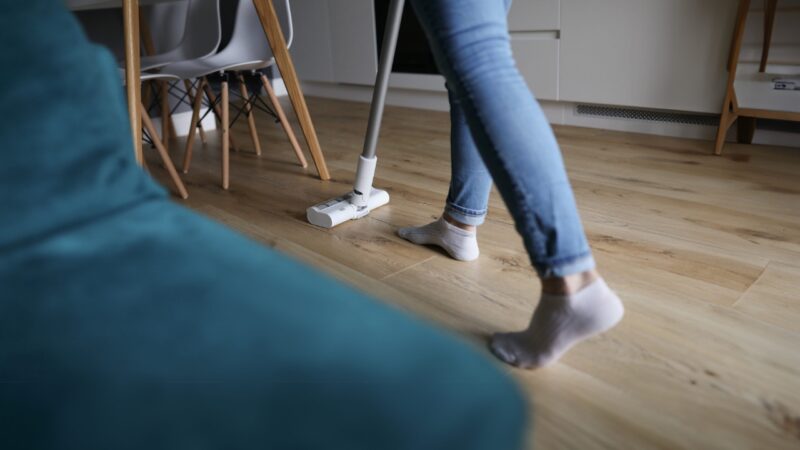
Vacuum regularly
Move firewood away from the structure
Reduce clutter in basements and storage rooms
When You Should Call a Pest Professional?
For the Bug Under Your Roof, Identification Comes First
Sources