
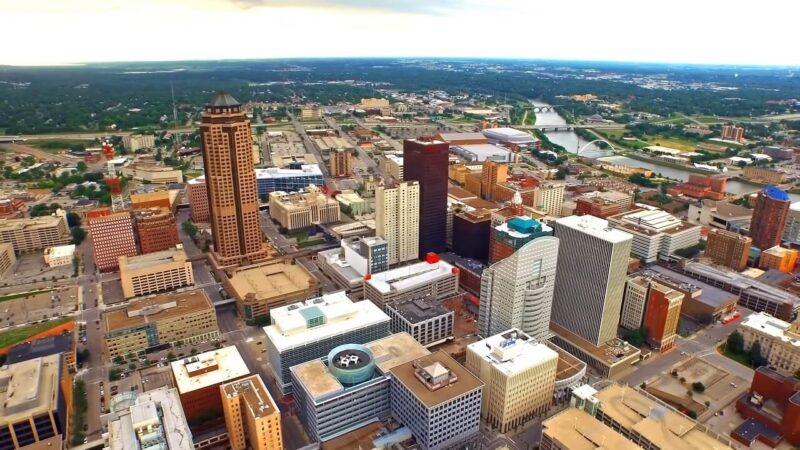
Iowa’s population continues to grow, but the forces driving that growth have changed. More Americans are leaving the state than moving in, while immigration has become an increasingly important source of population growth, reshaping communities, local economies, and the state’s long-term demographic outlook.
Is Iowa’s Population Growing or Shrinking?
Iowa’s population is still growing, but the pace has slowed. According to the U.S. Census Bureau, the state added about 8,000 residents in 2025, marking its third consecutive year of population growth. However, declining birth rates, an aging population, and migration trends are slowing that growth.
Based on research from the Common Sense Institute of Iowa, Iowa ranked 39th nationally for net migration in 2025 and 11th out of 12 Midwestern states, reflecting ongoing challenges in attracting and retaining residents.
As stated by Axios, citing Atlas Van Lines, Iowa was the seventh most outbound state between November 2024 and October 2025. While that analysis represents one segment of movers, it aligns with U.S. Census Bureau estimates showing continued net domestic out-migration.
Immigration has become the state’s main source of population growth. According to the U.S. Census Bureau, nearly 50,000 more international migrants settled in Iowa between 2020 and 2024, helping offset the number of residents leaving for other states.
Who’s Moving Into Iowa?
Many newcomers relocate for jobs in manufacturing, agriculture, healthcare, logistics, and food processing, while others arrive as refugees, skilled professionals, or international students. Established immigrant communities in Des Moines, Cedar Rapids, Waterloo, and Sioux City also attract new arrivals through family networks, community organizations, and employment opportunities.
Domestic migration remains negative overall, but Iowa still attracts some residents from other states, including:
- Families seeking affordable housing
- Remote workers looking for a lower cost of living
- Retirees drawn to affordable healthcare and quieter communities
Many of these new residents settle in metropolitan areas such as Des Moines, Cedar Rapids, and Iowa City, where larger job markets, universities, healthcare systems, and established communities support long-term growth.
Who’s Leaving and Why?
More people continue leaving Iowa for other states than moving in from elsewhere in the U.S. According to Axios, which reported on Atlas Van Lines’ 2025 migration analysis, Iowa ranked as the seventh most outbound state during the reporting period.
Many of those leaving are young adults and working-age professionals seeking higher-paying jobs, more diverse career opportunities, or larger metropolitan areas. Others relocate for lifestyle reasons, including warmer climates or access to larger entertainment and cultural hubs.
The continued loss of working-age residents adds pressure to Iowa’s labor market, particularly in industries already facing worker shortages. Keeping graduates and skilled professionals in the state remains one of Iowa’s biggest demographic and economic challenges.
Where Is Iowa Growing and Where Is It Falling Behind?
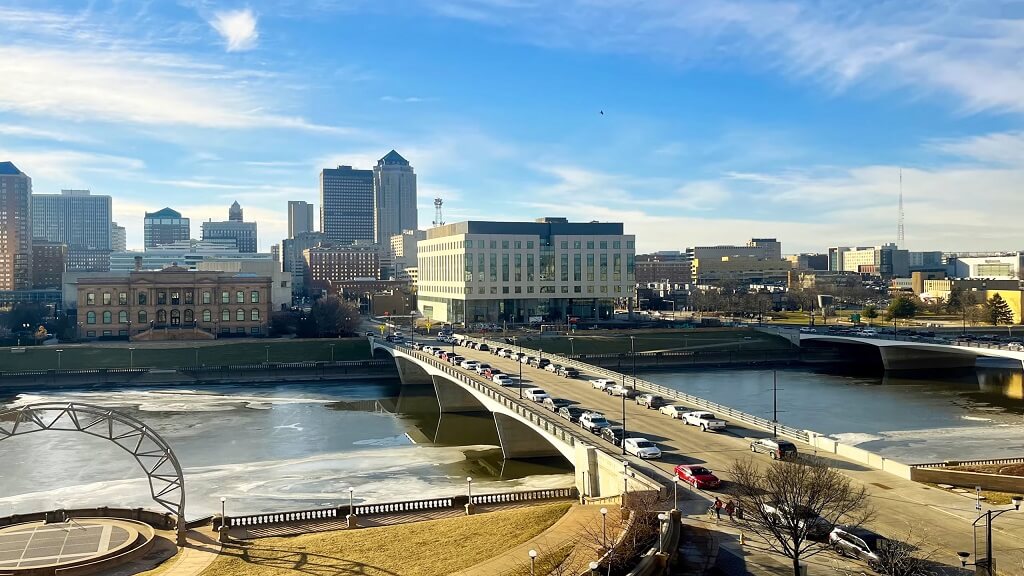
Population trends vary widely across Iowa. Metropolitan areas continue to attract new residents, while many rural counties face population decline driven by aging communities and the loss of younger residents.
| Growing Areas | Areas Losing Population |
| Des Moines metro | Many rural counties |
| Dallas County | Small farming communities |
| Iowa City and Johnson County | Counties with aging populations |
| Cedar Rapids metro | Communities with declining school enrollment |
| Expanding suburbs | Areas with limited employment growth |
Growth in metropolitan areas is supported by expanding job markets, universities, healthcare systems, and new housing developments. Rural communities often face a shrinking workforce, lower school enrollment, and fewer services as populations decline.
These differences are influencing where businesses invest, where housing is built, and where public services are needed most across Iowa.
Why These Demographic Shifts Matter
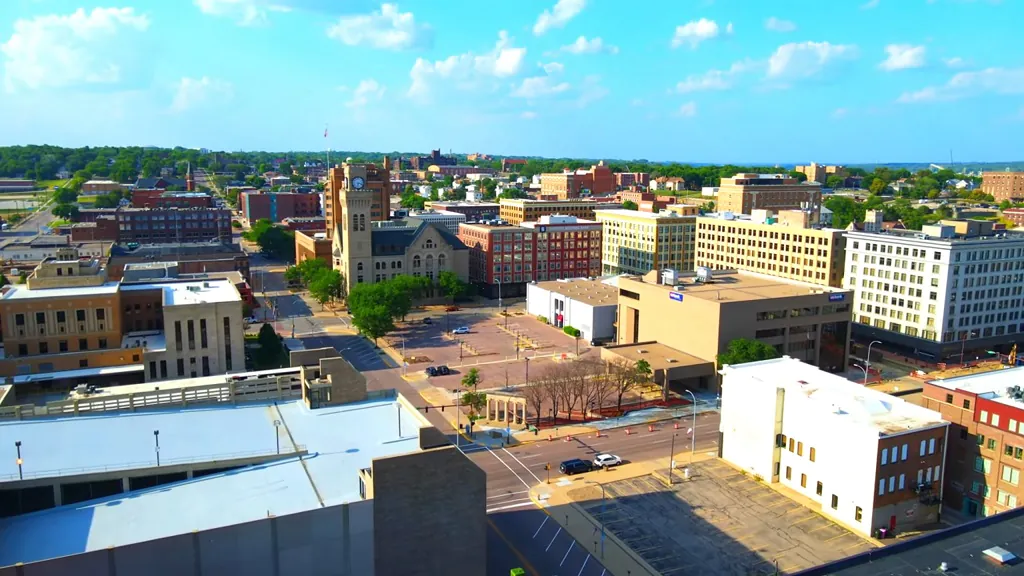
Demographic trends affect everyday life across Iowa, shaping housing demand, healthcare, education, local businesses, and workforce availability.
As communities become more diverse, organizations are also adapting to serve residents with different cultural and language backgrounds. Hospitals, schools, legal offices, government agencies, and businesses increasingly rely on phone interpreter services to communicate effectively with people who have limited English proficiency. Clear communication helps improve access to healthcare, public services, and everyday transactions.
At the same time, many employers continue to face workforce shortages, particularly in healthcare, manufacturing, and skilled trades. Communities that attract and retain workers are generally better positioned to support economic growth, expand local services, and meet the needs of a changing population.
What Could Iowa Look Like Over the Next Decade?
Several factors are expected to shape Iowa’s population over the next decade:
- An aging population will increase demand for healthcare and senior services.
- International migration is likely to remain an important source of workforce growth.
- Retaining young professionals will be essential to strengthen the labor market and support long-term economic growth.
- Metropolitan areas are expected to continue attracting new residents, while many rural communities may need new strategies to address population decline.
- Workforce development and housing investment could help Iowa remain competitive in attracting workers and families.
How the state responds to these trends will influence its economy, public services, and quality of life over the next decade.
FAQ
Conclusion
Iowa’s population is changing in ways that extend beyond overall growth. International migration is helping offset domestic out-migration, while metropolitan areas continue to expand and many rural communities face ongoing population decline.
These trends will shape the state’s workforce, economy, and public services for years to come. As migration patterns continue to evolve, understanding who is moving into Iowa, who is leaving, and where these changes are taking place will help communities, employers, and policymakers prepare for the future.