
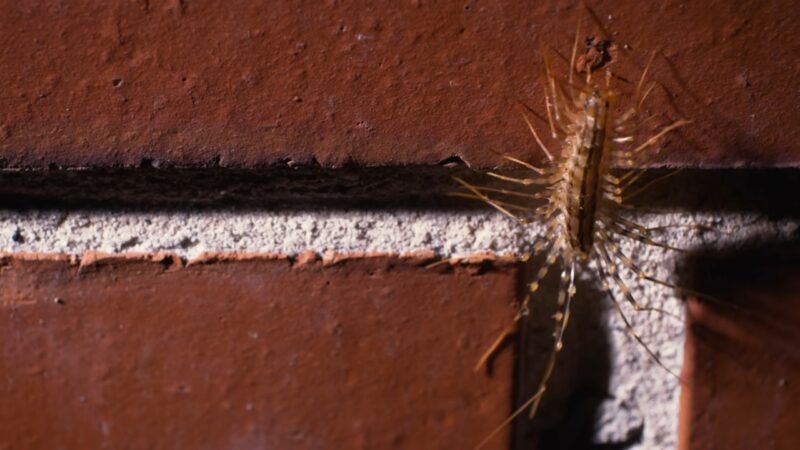
If you live in Iowa and have ever seen a fast, long-legged creature race across a basement floor or disappear behind a bathroom cabinet, there is a good chance it was a house centipede.
They look alarming because of their many legs and sudden movement, but their presence indoors usually points to something much simpler than an infestation.
House centipedes enter and remain in Iowa homes because they are looking for three things they need to survive: moisture, shelter, and other small insects to eat. Damp basements, bathrooms, crawl spaces, utility rooms, and cluttered storage areas give them exactly that.
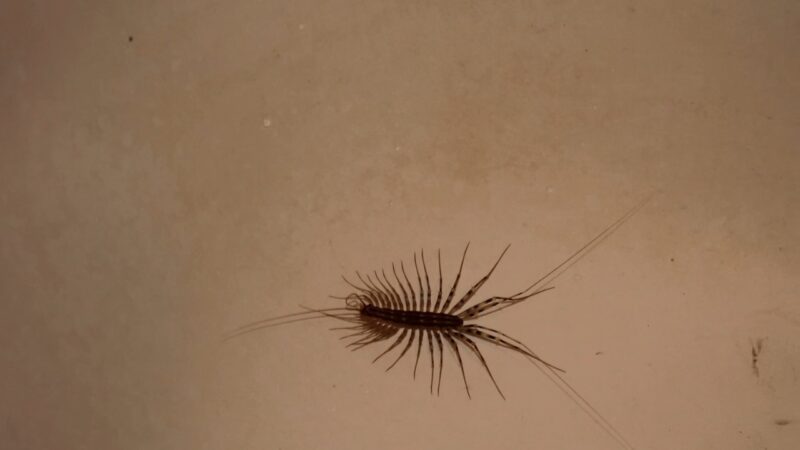
Iowa State University Extension notes that house centipedes are common indoors and outdoors and are regularly found in damp parts of homes. They do not come up through sink or bathtub drains, even though people frequently discover them trapped in those places.
What Kind of Centipede Is Usually Found Inside Iowa Homes?
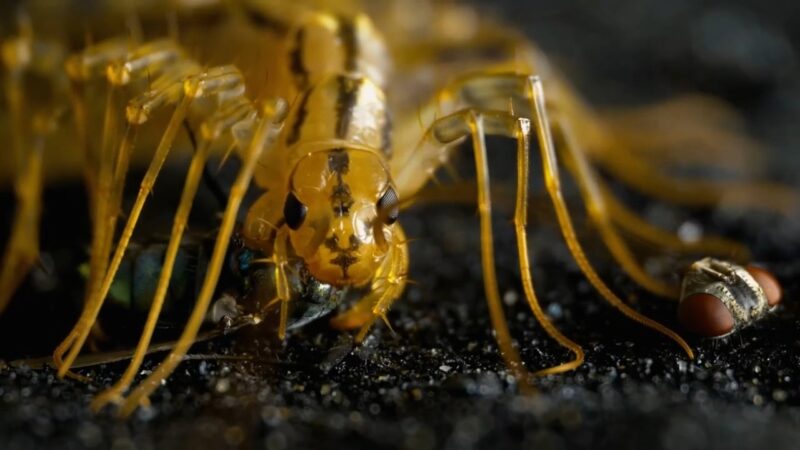
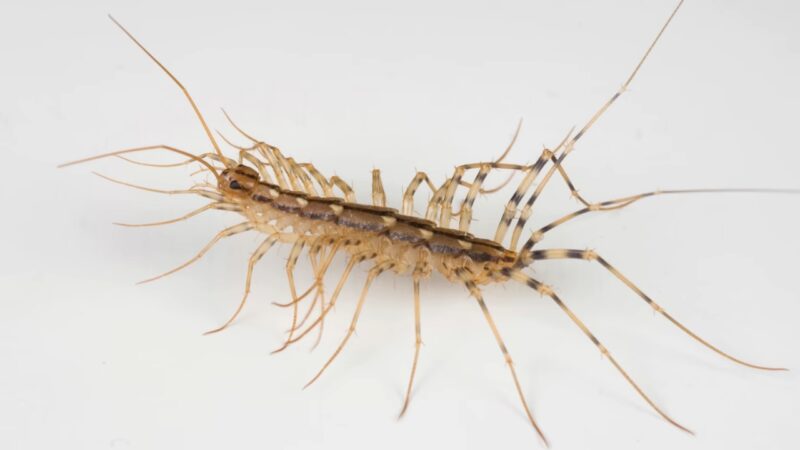
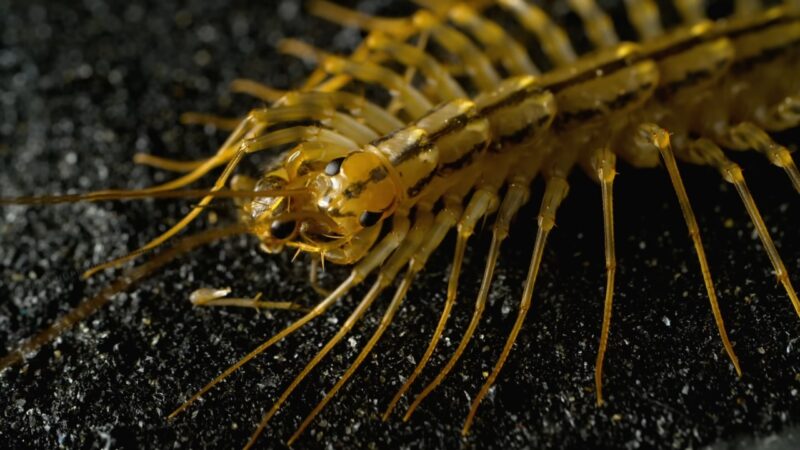
The species people are most likely to notice indoors is the house centipede, scientifically known as Scutigera coleopterata.
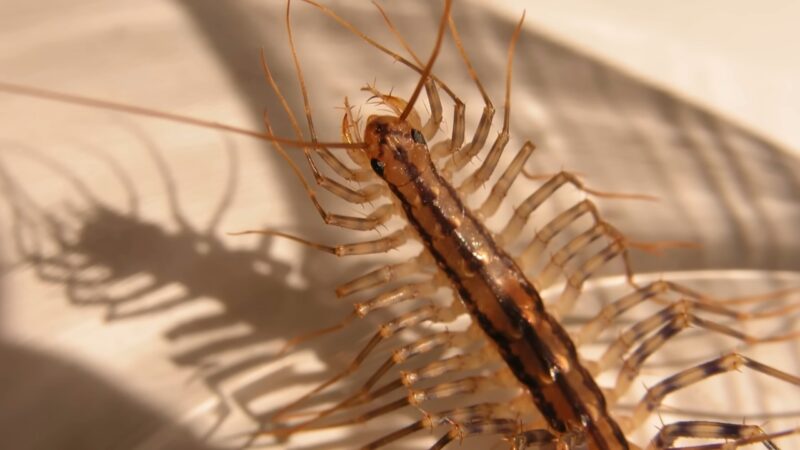
House centipedes look very different from the thicker centipedes people find underneath logs, stones, or garden debris. Their bodies are relatively small, but their legs are extremely long.
According to Iowa State University Extension and Outreach, an adult house centipede has:
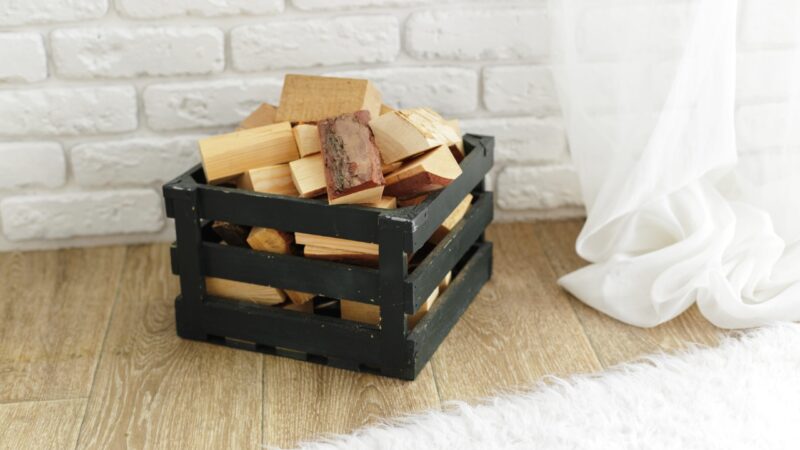
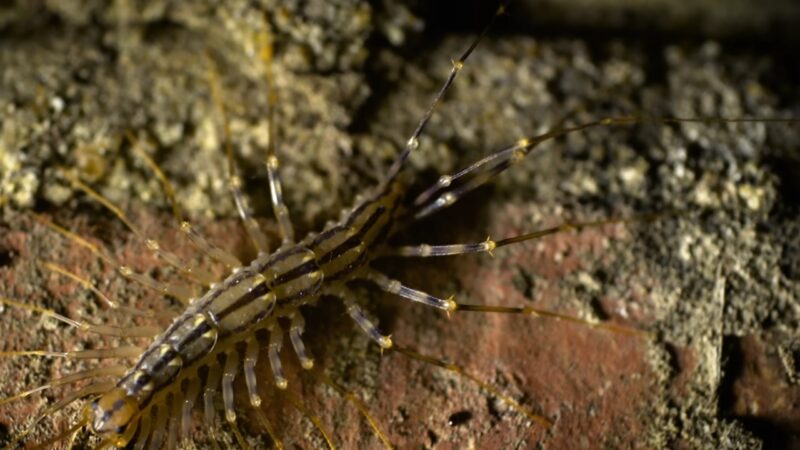
The legs make the animal look much larger than its body actually is. They also allow it to move surprisingly fast across walls and floors. The main reasons they remain indoors are fairly predictable. A house that provides all four can support centipedes for much longer than a dry, open space with little insect activity. Basements provide almost everything a house centipede needs. Concrete walls and floors can hold moisture. Pipes can sweat during humid weather. Small leaks may keep corners damp. Cardboard boxes, shelving, and stored belongings provide protected hiding places. Basements also support other small organisms that centipedes hunt. Iowa State University lists damp basement areas, closets, bathrooms, unfinished spaces underneath homes, and firewood stored indoors among typical house centipede habitats. If you repeatedly see centipedes in the basement, checking moisture conditions is more useful than simply killing the individual animals you find. Iowa summers can be warm and humid, and that moisture does not always remain outdoors. Humid outside air can enter basements and crawl spaces. When that warm air reaches cooler concrete, pipes, or other surfaces, condensation can form. The U.S. Environmental Protection Agency recommends keeping indoor relative humidity below 60%, with a preferred range of roughly 30% to 50% where practical. That advice is relevant to centipedes because reducing moisture also makes a basement less attractive to many of the insects they feed on. A centipede sitting in a bathtub or sink creates an obvious assumption that it crawled through the drain. Iowa State University specifically says house centipedes do not come up through drain pipes. The explanation is much simpler. A centipede already moving through a bathroom can fall into a smooth-sided tub or sink and then struggle to climb back out. Bathrooms are attractive because they provide moisture, hiding places, and insects. Gaps around pipes, baseboards, and wall openings give centipedes routes into the room. House centipedes are predators. They do not spend their time feeding on wood, clothing, or stored food. They actively hunt other small animals. That hunting behavior explains why they seem to appear suddenly and then sprint across the room. They use their long legs to chase prey and their modified front appendages to capture it. Seeing one centipede does not tell you exactly which prey is present, but repeated sightings can indicate that the house is supporting enough small insects to provide a food supply. House centipedes need prey. If several of them are living in one basement, there is a reason they are able to find enough food there. That does not automatically mean the house has a serious insect infestation. A basement can support spiders, silverfish and other small arthropods without homeowners noticing them. Still, repeated centipede sightings are a good reason to inspect the same areas for other pests. Our guide to jumping spiders found in Iowa covers another group of small predators commonly found around homes, gardens, siding and other structures. Centipedes occupy a similar position in the food chain, although house centipedes are much more associated with dark and damp indoor spaces. Finding the source is easier if you concentrate on places that stay dark and damp. A flashlight inspection at night can also be useful because house centipedes are more active when rooms are quiet and dark. Old cardboard boxes are common in basements, and they create exactly the type of protected environment many arthropods use. Boxes provide narrow gaps, darkness, and undisturbed spaces underneath and between stored items. Cardboard can also absorb moisture when stored on a damp basement floor. The centipede itself may hide around the boxes, and other insects can also live nearby. Replacing damaged cardboard with sealed plastic storage containers and keeping items elevated from the basement floor removes some of those hiding places. Centipedes naturally live outdoors under bark, stones, logs, leaves, and other damp cover. Iowa State University specifically mentions the bark of firewood stored indoors as a place where centipedes can be found. Firewood stored against the foundation also creates habitat immediately beside the house. When wood is eventually carried indoors, arthropods hiding beneath loose bark can come with it. Keeping firewood outside until it is needed and avoiding large indoor piles reduces the opportunity for centipedes and other organisms to establish themselves near living areas. Outdoor conditions can influence how much arthropod activity homeowners notice. Heavy rain can saturate soil and force small animals away from flooded hiding places. Dry periods can reduce suitable moisture outdoors. Cooler weather can also make protected structures attractive. House centipedes are different from seasonal invaders that enter only to survive winter, however. They are capable of living indoors throughout the year if the building provides suitable conditions. A centipede seen in January may have already been living inside for months rather than entering during the latest cold spell. House centipedes look much more threatening than they are. Iowa State University considers them harmless to people in normal household situations. They possess structures capable of delivering venom to small prey, and a large centipede can theoretically bite if trapped or handled. Bites from ordinary house centipedes are uncommon because they normally run away from people rather than toward them. The better approach is to capture the animal with a container or vacuum it rather than picking it up with bare fingers. House centipedes do not eat structural wood. They do not chew clothing. They do not feed on paper, insulation, or stored food. Their diet is animal prey. That separates them from pests such as termites, carpenter ants, and some stored-product insects that can cause direct property damage. A centipede running across a basement wall is mainly a nuisance and a sign that the environment is supporting the conditions it prefers. Iowa homes and gardens can contain both centipedes and millipedes, but they are different animals. If the animal races across the wall on very long legs, it is probably a house centipede rather than a millipede. Finding an occasional centipede is normal, especially in an older Iowa home with a basement. Iowa State University describes them as occasional household nuisances and even points out that they are beneficial predators because they consume other arthropods. Concern becomes more reasonable when you begin seeing several centipedes regularly in different rooms. Multiple sightings suggest the home is providing enough moisture, shelter, and prey for them to remain active. Killing the centipede you see removes one animal. It does nothing about a damp basement, foundation opening or population of insects providing food. Iowa State University notes that residual insecticide sprays and dusts can be used in hiding places, but their effect is limited when the environmental conditions remain favorable. That is why moisture control and habitat reduction should come first. A good centipede-control plan starts with the building rather than the animal. Use a dehumidifier when basement humidity stays high. Empty or drain it regularly and monitor humidity with an inexpensive hygrometer. The EPA recommends keeping indoor relative humidity below 60%, with 30% to 50% preferred where conditions allow. Check plumbing, foundation walls, basement windows, and utility areas for water intrusion. A slow pipe leak that does not create a visible puddle can still keep a wall cavity or basement corner damp enough to support insects. Water should move away from the foundation rather than collect beside it. Inspect gutters and downspouts and look for low areas where rainwater pools next to the house. Sealing those gaps also reduces the number of other insects entering the building. Remove unnecessary cardboard, paper piles, and objects sitting directly against basement walls. Open, dry storage areas offer fewer undisturbed hiding places for centipedes and their prey. If silverfish, cockroaches, flies, or other insects are abundant, controlling them also reduces the centipede food supply. A home that does not support much prey is far less useful to a predator. There is no practical need to treat an occasional house centipede as an emergency. It is hunting other small arthropods and is unlikely to damage the building or bother people. Iowa State University goes as far as describing house centipedes as beneficial predators and recommends tolerating or simply removing occasional individuals when possible. If you do not want one in the room, place a cup or container over it, slide a piece of cardboard underneath, and release it outside. A single sighting in a basement is one thing. Seeing centipedes every night throughout the house is different. At that point, the useful question is not how to kill more centipedes. It is what part of the house is providing the moisture and food that keep supporting them. House centipedes are well adapted to Iowa basements and other cool, damp parts of the home. They stay where they can find moisture, dark hiding places, and enough insects to hunt. The occasional centipede is harmless and can even reduce other small pests. Repeated sightings, however, are worth treating as a clue. Check basement humidity, leaks, foundation openings, stored cardboard, and other insect activity before reaching for pesticide. Drying the space and removing the conditions centipedes depend on usually does more than repeatedly killing the ones that happen to run across the floor.
Why Centipedes Come Inside Homes?
House centipedes are well suited to living indoors. Unlike many outdoor arthropods that wander inside accidentally and then die, house centipedes can survive and reproduce inside buildings when conditions are favorable.
What centipedes need
Where they find it indoors
Moisture
Basements, bathrooms, crawl spaces and utility rooms
Dark hiding places
Cracks, boxes, closets and spaces behind appliances
Food
Spiders, insects and insect larvae
Stable temperatures
Heated and insulated parts of the house
Damp Basements Are One of Their Favorite Places
Iowa Humidity Can Make the Problem More Noticeable
They Are Not Coming Up Through Your Drain
Why They Suddenly Run Across the Floor
A Centipede Problem Can Actually Point to Another Pest Problem
Where to Look If You Keep Seeing Them
Why Cardboard Boxes Make Good Hiding Places
Firewood Can Bring Centipedes Closer to the House
Do Centipedes Come Indoors When the Weather Changes?
Are House Centipedes Dangerous?
They Do Not Damage Your House
Centipedes and Millipedes Are Easy to Confuse
Feature
Centipede
Millipede
Legs per body segment
One pair
Two pairs on most segments
Movement
Fast
Slow
Body shape
More flattened
Usually rounded
Food
Other small animals
Decaying plant material
Behavior indoors
Can live and reproduce indoors
More commonly wanders indoors accidentally
One Centipede Does Not Mean You Have an Infestation
Why Spraying Individual Centipedes Does Not Solve Much
How to Make Your Home Less Attractive to Centipedes
1. Reduce Basement Humidity
2. Repair Leaks
3. Improve Drainage Outside
4. Seal Cracks and Openings
5. Reduce Basement Clutter
6. Deal With Other Insects
Should You Kill Every House Centipede You See?
When Centipedes Are Worth Investigating Further
Last Words
Sources