


Iowa is still cheaper than many parts of the country, but living comfortably here is not as inexpensive as the state’s reputation suggests. Housing remains relatively affordable by national standards, yet families are paying more for food, insurance, utilities, transportation and child care than they were only a few years ago.
For a single adult, a realistic comfortable income starts well above Iowa’s $7.25 minimum wage. Families with children need considerably more, especially when child care and housing are included. The amount also changes depending on whether you live in Des Moines, Iowa City, Cedar Rapids or a smaller rural county.
How Much Income Does One Person Need in Iowa?

The MIT Living Wage Calculator gives one of the clearest starting points because it estimates what a worker needs to cover basic expenses without relying on public assistance.
For Iowa City, MIT currently estimates that a single adult with no children needs about $21.24 an hour. Working full time, that equals roughly $44,200 a year before taxes.
That figure covers basic needs. It does not represent a particularly generous lifestyle with expensive travel, a new car and large amounts of discretionary spending.
In lower-cost parts of the state, the number is slightly lower. In Ida County, for example, MIT estimates a living wage of about $20.82 an hour for one adult with no children.
The difference between rural and urban Iowa exists, but it is smaller than many people expect once transportation, food, health care and other costs are included.
What Does “Comfortably” Mean?
There is no official government definition of a comfortable income.
For this article, comfortable means earning enough to cover normal living costs without spending nearly every dollar that comes in. A household should have room for:
- housing
- utilities
- food
- transportation
- health care
- insurance
- taxes
- basic personal expenses
- some savings
- occasional entertainment or travel
- unexpected expenses such as a car repair
A living wage is therefore a useful floor, but a genuinely comfortable income should sit somewhat above it.
A Single Adult Should Aim for At Least $50,000 to $55,000 a Year

For a single person without children, an annual income around $50,000 to $55,000 provides a more realistic comfortable budget in much of Iowa.
At $50,000 a year, gross monthly income is about $4,167. After federal and state taxes, payroll deductions and health insurance, take-home pay will be lower.
A renter paying around Iowa’s current statewide average of $1,150 per month could still have enough room for transportation, food, utilities and savings if other debts remain manageable.
Zillow reported an average Iowa rent of $1,150 as of late August 2026. That was 43% below the national average, one of the main reasons Iowa remains relatively affordable.
A Realistic Monthly Budget for One Adult
| Expense | Typical monthly budget |
|---|---|
| Rent | $1,100 to $1,300 |
| Utilities and internet | $200 to $275 |
| Groceries | $350 to $450 |
| Transportation | $500 to $700 |
| Health care and insurance | $250 to $400 |
| Phone and personal expenses | $150 to $250 |
| Entertainment and dining | $200 to $300 |
| Savings and emergency fund | $400 to $600 |
| Total | $3,150 to $4,275 |
The biggest variable is transportation. Many Iowa residents need a car for work, shopping and everyday errands, particularly outside Des Moines, Cedar Rapids and Iowa City.
A paid-off vehicle keeps costs much lower. A newer car with a loan, higher insurance premiums and frequent driving can push transportation above $800 a month once fuel, registration and maintenance are included.
Housing Is Still the Biggest Financial Advantage
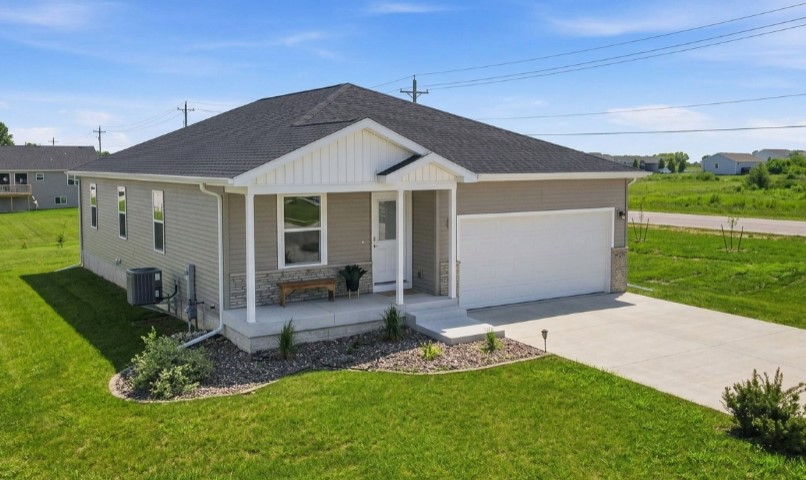
Iowa home prices remain well below the national level, even after several years of appreciation.
Redfin reported a statewide median sale price of $269,058 in June 2026, up 6.6% from a year earlier. Zillow’s broader home-value measure put the typical Iowa home at $240,435 in July.
Those figures are still low compared with many large U.S. housing markets, but affordability varies dramatically within Iowa.
Earlier this year, we looked at the cheapest counties to buy a home in Iowa. In several counties, typical home values remained below $150,000, while homes in stronger metro and suburban markets cost considerably more.
Buying a Home Can Cost Much More Than the Mortgage Payment
A $250,000 home with a 20% down payment leaves a $200,000 mortgage.
The monthly principal and interest payment is only part of the true housing bill. Owners also need to account for:
- property taxes
- homeowners insurance
- utilities
- repairs
- maintenance
- HOA fees where applicable
Iowa property taxes can make a noticeable difference to affordability. A house that appears inexpensive based on purchase price alone can still carry several thousand dollars a year in property taxes.
Our Iowa property tax guide explains how bills are calculated and why assessments can rise even when homeowners have not moved.
Renting Is Cheaper Than in Most States, but $1,150 Is Still a Large Monthly Bill
The statewide average rent of $1,150 looks attractive compared with cities where modest apartments cost $2,000 or $3,000 a month.
For an Iowa worker earning $15 an hour, however, $1,150 is still difficult.
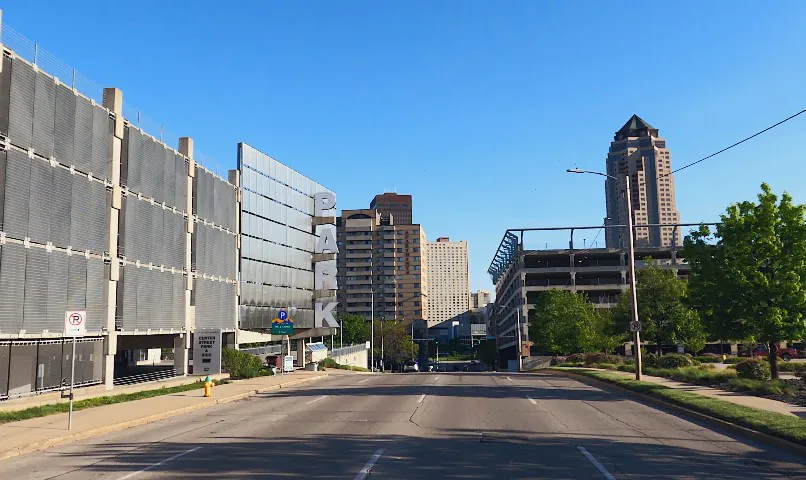
That is why statewide affordability statistics can hide large differences between households. Iowa can be cheap compared with California or New York and still feel expensive to someone earning a local service-sector wage. The U.S. Census Bureau puts Iowa’s median household income at $75,059 in 2020-2024 inflation-adjusted dollars. That means half of Iowa households earn more and half earn less. A household earning around $75,000 can live reasonably well in many Iowa communities if it does not have major child-care bills or high consumer debt. For a family with two young children in paid care, the picture changes quickly. MIT estimates that one adult with one child in Iowa City needs about $34.97 an hour to cover basic needs. That works out to roughly $72,700 a year before taxes. With two children, the estimated living wage rises to $44.81 an hour, or roughly $93,200 annually. For a two-adult household in which both adults work and they have two children, each adult needs about $24.73 an hour in Iowa City. Combined, that is roughly $102,900 a year. The figures come from the MIT Living Wage Calculator for the Iowa City metro. Housing gets most of the attention, but child care can rival a mortgage payment for families with young children. A couple without children can share housing, utilities and transportation expenses. Once one or two children require full-time care, several hundred or even well over $1,000 a month can disappear from the household budget. That is why a household earning $70,000 can feel financially comfortable without children but stretched with two preschool-age children. Des Moines offers more jobs and higher wages than many smaller Iowa communities, particularly in insurance, finance, health care and professional services. Those opportunities come with somewhat higher housing costs. Our earlier look at Des Moines population and household income found that the metro continues to attract residents even as some households move from the city itself into surrounding suburbs. Places such as West Des Moines, Waukee, Ankeny and Johnston offer newer housing and strong job access, but home prices can be significantly higher than the statewide median. Iowa City is one of the more expensive places in the state, particularly for housing. Demand from University of Iowa students, university employees, health-care workers and professionals keeps pressure on both rentals and home prices. Some Iowa City ZIP codes have median sale prices approaching $400,000. For example, Redfin reported a median sale price of roughly $389,900 in ZIP code 52246 in June 2026. A salary that feels generous in a rural county can therefore feel much tighter in Iowa City. Cedar Rapids tends to sit between rural Iowa and the more expensive parts of Iowa City or Des Moines suburbs. Housing remains relatively accessible, and the city has a broad employment base in manufacturing, health care, insurance and professional services. For a single adult, an income around $50,000 can support a comfortable lifestyle if housing and vehicle debt remain reasonable. A household closer to $80,000 has more room for homeownership, savings and larger discretionary expenses. Moving to a smaller Iowa town can cut housing costs dramatically. Earlier IowaWatch research found typical home values below $120,000 in counties including Appanoose and Lee. Lower housing does not mean every expense falls. Rural households tend to drive farther for work, health care, shopping and school activities. A household may save $500 a month on housing but spend more on gasoline, vehicle maintenance and insurance. Access to higher-paying jobs can also be more limited. For much of the state, owning a vehicle is closer to a necessity than a luxury. A realistic monthly transportation budget should include more than gas: A single adult cooking most meals at home can keep grocery spending around $350 to $450 a month. A family of four can easily spend $900 to $1,200 or more once school lunches, snacks, meat and household staples are included. Restaurants add up quickly. Two adults spending $60 on dinner once a week are already spending more than $3,000 a year before tips and other dining out. Iowa households face both cold winters and hot, humid summers. Heating bills rise sharply during colder months, and air conditioning pushes electricity use higher in July and August. A small apartment may keep electricity, gas, water and internet near $200 a month. A larger detached house can easily push the total above $300, particularly during extreme weather. Older homes can cost more because of poor insulation, aging furnaces and inefficient windows. Someone with employer-sponsored health insurance may pay only a fraction of the total premium. A self-employed resident buying insurance independently can face a much larger monthly expense. Deductibles also matter. A household with a $5,000 or $7,000 deductible needs more emergency savings than one with a low-deductible employer plan. Two households with identical salaries can therefore have very different standards of living based entirely on their health benefits. A household earning $90,000 with no consumer debt can have more spending room than a household earning $120,000 with two car payments, student loans and credit card balances. Consider a monthly debt load like this: That household is spending $20,400 a year on debt payments before housing, food or utilities enter the picture. There is no single number for everyone, but current housing and living-wage data give us a useful range. Those ranges are not poverty thresholds and they are not official government figures. They are practical estimates built above MIT’s basic living-wage levels so the household has some room for savings, emergencies and ordinary discretionary spending. Iowa’s median household income of about $75,000 provides a useful example. For a couple without children living in an affordable rental or modest home, $75,000 can support a comfortable standard of living. For a single parent paying for child care, rent and a vehicle, the same income can feel much tighter. For a household with two children, a mortgage and two car loans, it may not leave much room for savings at all. Iowa retains several advantages that are difficult to find in faster-growing coastal and Sun Belt markets. Average rent remains around $1,150, typical home values remain near $240,000, and smaller counties still offer houses at prices that have disappeared from many parts of the country. At the same time, housing is only one part of the household budget. Child care, cars, insurance, groceries and health care now determine how comfortable many Iowa families actually feel. A single person earning around $50,000 can still build a comfortable life in much of the state. A family with children is increasingly looking at a six-figure household income if it wants to cover normal expenses, save consistently and handle an unexpected bill without turning to debt.Median Household Income in Iowa Is Around $75,000
Children Change the Budget More Than Almost Anything Else

Household in Iowa City
Living wage
Approximate annual income needed
1 adult, no children
$21.24/hour
$44,200
1 adult, 1 child
$34.97/hour
$72,700
1 adult, 2 children
$44.81/hour
$93,200
2 working adults, no children
$14.58/hour each
$60,700 combined
2 working adults, 1 child
$20.40/hour each
$84,900 combined
2 working adults, 2 children
$24.73/hour each
$102,900 combined
Child Care Is the Expense That Breaks Many Family Budgets
Des Moines Is Affordable, but It Is Not the Cheapest Part of Iowa
Iowa City Requires a Larger Budget
Cedar Rapids Offers a Middle Ground

Rural Iowa Is Cheaper, but Some Costs Go Up
Transportation Is Easy to Underestimate in Iowa
Food Costs Depend Heavily on How Much You Eat Out
Utilities Are Manageable Until Iowa Weather Arrives
Health Insurance Can Completely Change the Calculation
Debt Matters Almost as Much as Income

Debt
Monthly payment
Car loan
$550
Second car
$500
Student loans
$350
Credit cards
$300
Total
$1,700
What Salary Feels Comfortable in Iowa in 2026?
Household
Comfortable annual income target
Single adult, no children
$50,000 to $55,000
Single adult, one child
$75,000 to $85,000
Two adults, no children
$70,000 to $80,000 combined
Two adults, one child
$90,000 to $105,000 combined
Two adults, two children
$110,000 to $125,000 combined
A $75,000 Income Goes Much Further for Some Households Than Others
Iowa Is Still Affordable, but Cheap Is the Wrong Word
Sources