

Iowa families are paying more for smaller vacations.
Household costs are up, with families spending an estimated $1,435 more per month than in 2020 to maintain the same standard of living.
Midwest consumer prices are up 29.2% since January 2020, and the typical Iowa household has spent about $54,536 more over that period.
Gas, lodging, food, and recreation costs now make even modest trips harder to afford.
With Iowa gas averaging $4.20 per gallon, among other costs getting higher, how much vacation can Iowa families still buy?
Rising Everyday Costs are Shrinking Vacation Budgets

Iowa households are spending more just to stay even.
Year-over-year inflation in the Midwest rose to 4.1% in April after sitting at 3.4%, while the national inflation rate was 3.8%.
April Consumer Price Index data added more pressure to the same picture:
- 8% increase compared with April 2025
- Largest jump in three years
- 1% Midwest inflation rate
- 8% national inflation rate
Higher prices cut into discretionary spending first. Food, fuel, housing, utilities, vehicle costs, and insurance take priority before travel.
After those bills are paid, many families have less left for hotels, restaurants, tickets, rentals, and entertainment.
For families trying to make those remaining dollars go further, working with a travel-planning agency like Yeti Travel can help compare trip options, organize costs, and build vacations around a realistic budget before prices add up.
Gas prices matter especially in Iowa because many family vacations happen by car.
Fuel data shows why road trips now take a bigger share of the vacation budget:
- Gasoline prices were more than 28% higher than a year earlier
- Iowa gas rose 52 cents in one month
- Iowa gas rose $1.32 in one year
Higher fuel costs change the math on weekend travel.
A family driving across Iowa, pulling a camper, visiting a lake area, or making several summer trips can feel the increase at every stop.
Higher gas prices also raise costs for hotels, restaurants, attractions, and local businesses that rely on transportation.
Getting less can show up in small cuts. Families may book fewer nights, eat out less, choose cheaper hotels, skip paid attractions, share rooms, avoid peak dates, or stay closer to home.
Vacation may still happen, but the same budget buys less time, less comfort, and fewer extras.
Travel still Matters, but Families are Redefining Vacation
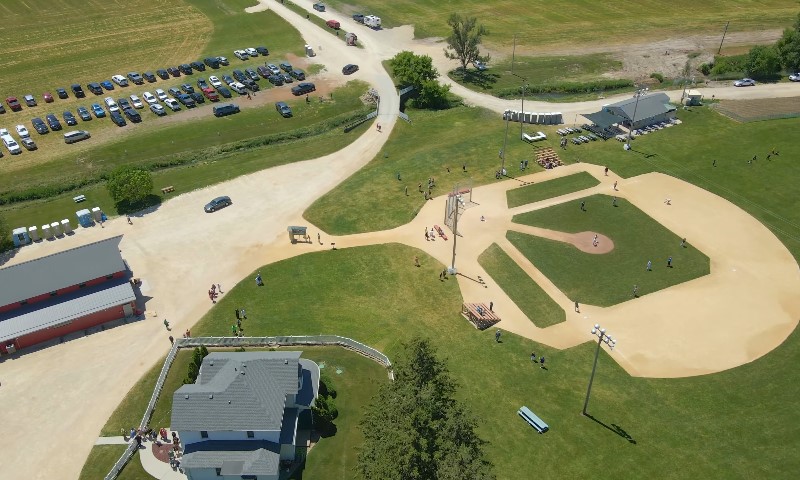
Communities such as Dyersville, Pella, the Iowa Lakes Corridor, and Dubuque depend on visitor spending to support restaurants, lodging, shops, museums, festivals, and seasonal attractions.
Tourism also affects quality of life. Businesses trying to recruit workers need communities where families can find things to do.
Strong local recreation options matter because they support both visitors and residents:
- Trails
- Lakes
- Historic sites
- Scenic views
- Museums
- Music venues
- Festivals
- Geologic features
- Roadside attractions
State tourism promotion points families toward options across Iowa, including the Loess Hills, the Driftless Area, lake regions, river towns, small cities, and rural festivals.
In-state trips can feel more practical than coastal vacations or major resort destinations because families can avoid airfare and plan shorter travel windows.
Local does not always mean cheap. Higher demand, higher operating costs, and general inflation can raise prices for cabins, hotels, meals, rentals, and admission.
Even a simple Iowa weekend can strain a family budget when gas, lodging, food, and activities all cost more.
Iowa’s Growing Popularity Can Help Communities and Squeeze Families
View this post on Instagram
Travelers are looking for places with space, ease, authenticity, and fewer crowds.
Crowded hotspots, inflated prices, and overbooked itineraries have made simpler trips more attractive.
Iowa fits many of those preferences with nature access, road-trip convenience, small cities, local food, walkable downtowns, and slower travel.
Outdoor access is a major reason Iowa fits that shift:
- Rolling hills
- Rivers
- Limestone bluffs
- Wooded trails
- Scenic drives
- Hiking
- Biking
- Kayaking
- Birdwatching
Many outdoor areas are rarely overcrowded, which gives families room to plan active trips without major tourist-center stress.
Affordability has become a major deciding factor as airfare, hotels, and dining rise nationwide.
Iowa can offer reasonably priced hotels, meals with less sticker shock, and many attractions that are low-cost or free.
That value makes Iowa attractive to families seeking a break without a major travel bill.
Greater attention can also create pressure. Popular weekends can bring higher lodging rates, fewer rooms, busier restaurants, and tighter reservation windows.
Families who once counted on spontaneous, affordable trips may need to plan earlier and pay more.
Road Trips are Back, but Driving is no Longer Automatically Cheap
Iowa is well-positioned for road trips. Highways, scenic byways, compact distances between stops, and easy access to small towns make car travel practical for families.
Domestic travel trends have also brought renewed interest in flexible road trips that allow travelers to add stops, change plans, and move at their own pace.
Smooth highways and scenic byways help Iowa work as either a main destination or an add-on during longer Midwest and Plains trips.
Families can build routes around lake towns, river communities, downtown districts, trails, parks, fairs, and seasonal festivals.
Higher fuel costs weaken the old assumption that driving always saves money.
Iowa gas averaged $4.20 per gallon in the cited report, $1.32 higher than one year earlier.
For families with larger vehicles, long routes, or multiple weekend trips, that increase can consume money that would have gone toward meals, lodging, or activities.
Driving also brings added costs that can make a car trip more expensive than expected:
- Parking
- Snacks
- Restaurant meals
- Admissions
- Vehicle maintenance
- Rentals
- Overnight stays
A trip to Okoboji, Dubuque, Des Moines, or the Driftless Area may still cost less than flying to Florida, but it is not protected against inflation.
Families are adjusting. Some pack coolers instead of eating every meal out. Some choose one paid attraction instead of several.
Some travel midweek, shorten stays, split costs with relatives, or turn overnight trips into day trips.
Road trips still give families control, but that control now often centers on cutting costs.
Vacation-home Trends Show a Pullback in Expensive Leisure Choices
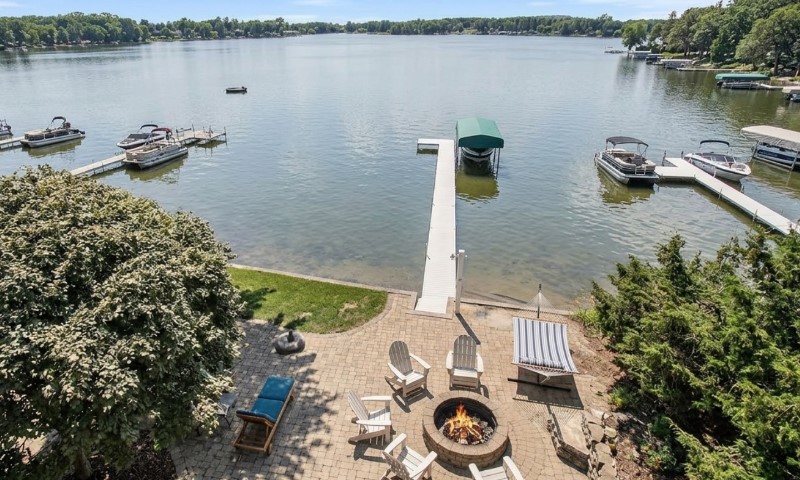
Iowa vacation-home purchases have fallen sharply since 2021. Reported vacation-home purchases in Iowa are down 44.0% since 2021, showing that even higher-cost leisure decisions face pressure.
National numbers point to an even steeper contraction:
| Vacation-home mortgage measure | 2021 | 2025 | Change |
| Mortgage-backed vacation-home purchases | 257,549 units | 88,158 units | Down 65.8% |
| Vacation-home share of total mortgage originations | 4.9% | 2.6% | Down 2.3% |
Higher mortgage rates, elevated home prices, insurance costs, maintenance expenses, and tighter household budgets have made second-home ownership harder to justify.
Buyers who once considered a cabin, lake house, or second property may now see too much risk and too little room in the budget.
Second-home demand has also dropped to its lowest level since at least 2018.
High earners still made up the overwhelming majority of second-home mortgage buyers in 2024, which shows how far out of reach that option is for many middle-class families.
Local Tourism Growth Creates a Value Paradox
Tourism growth helps Iowa businesses and communities. Direct visitor spending in Iowa reached $6.9 billion in 2022, compared with $6.1 billion in 2021.
Total tourism economic impact reached an estimated $10.4 billion in 2022, up 10.6% compared with $9.4 billion one year earlier.
Tourism also supported jobs and public revenue across Iowa:
- 68,607 Iowa jobs supported in 2022
- 65,000 Iowa jobs supported in 2021
- $1.1 billion in state and local tax revenue
- $494 million in local tax revenue
- $353 million in state sales tax revenue
Visitor spending supports restaurants, hotels, shops, attractions, entertainment venues, parks, transportation providers, and seasonal employers.
For communities trying to grow, tourism can help keep businesses open and give residents more amenities.
Iowa Lakes Corridor data shows how large the impact can be in one region.
Food and beverage, lodging, recreation, retail, and transportation spending totaled $312 million.
That activity supported more than 2,100 jobs and produced $73.2 million in labor income.
Regional recreation assets help explain why visitor spending is so important there:
- More than 20 lakes
- More than 22,000 acres of water
- About 200 restaurants
- 16 golf courses
- 273 miles of bike trails
- More than 4,300 acres of park and public land
Dubuque County also shows the strength of local travel. Tourism spending there totaled $439.1 million in 2022 and supported more than 2,500 jobs.
Visitor spending helps towns, workers, and public budgets, but families may experience the same growth as higher prices, busier weekends, fewer discounts, and harder booking decisions.
Iowa benefits when people travel, eat, stay, shop, and spend money locally, yet individual households may feel squeezed by the cost of participating.
What Getting Less Looks like for Iowa Families
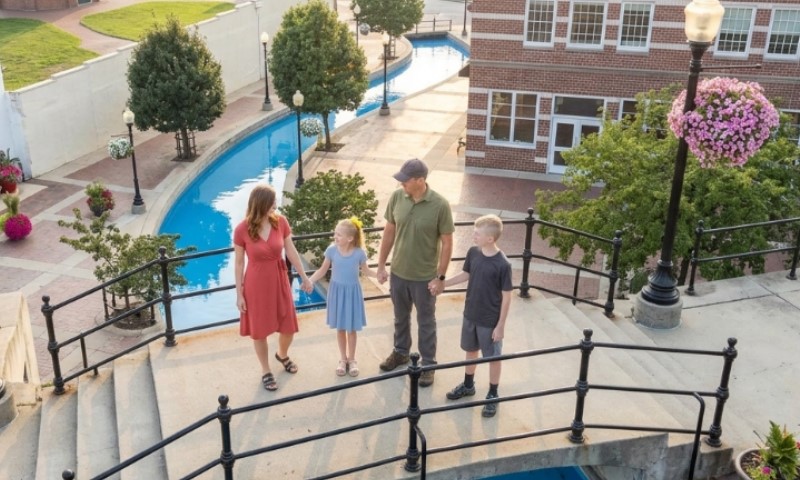
Shorter vacations are one of the clearest changes.
A week away can become a weekend because families are already spending an estimated $1,435 more per month on basic costs compared with 2020.
Extra monthly pressure makes it harder to save for longer trips.
Staying in Iowa can help reduce airfare and long travel costs, but it does not erase inflation.
Fewer extras can change the feel of a trip. Families may skip paid activities that once made vacations feel fuller:
- Amusement parks
- Boat rentals
- Restaurant meals
- Souvenirs
- Guided tours
- Golf outings
- Paid museum stops
Parents may still build a fun weekend, but more choices involve saying no.
Families may combine stops, drive less, or choose one major outing instead of several.
Families may choose budget hotels, campgrounds, relatives’ homes, shared rentals, or day trips to avoid higher nightly rates.
Sleeping arrangements may become less comfortable so the trip can happen at all.
FAQs
Summary
Iowa families are spending more because daily costs and travel costs have both risen.
As a result, vacations often mean fewer nights, cheaper lodging, packed meals, skipped activities, and closer destinations.
For many Iowa households, vacation now means stretching a limited budget far enough to feel like a real break.