
Silicon Prairie refers to a growing Midwest tech corridor covering:
- Parts of Iowa
- Nebraska
- Kansas
- Missouri
- The Dakotas
Tech workers, founders, and investors increasingly focus attention on these states due to affordability, reliable infrastructure, and expanding startup activity.
Growth across the region signals a shift in how innovation hubs are defined in the United States.
Iowa plays a central role in this regional rise. Four Iowa cities placed in the top 15 of the 2018 Silicon Prairie Report, reinforcing the state’s strong presence in technology development and talent attraction. Rankings reflect steady company formation, workforce growth, and institutional support.
Focus centers on identifying which Iowa cities hold the strongest positions in the ongoing competition for tech talent and startup growth.
1. Ames
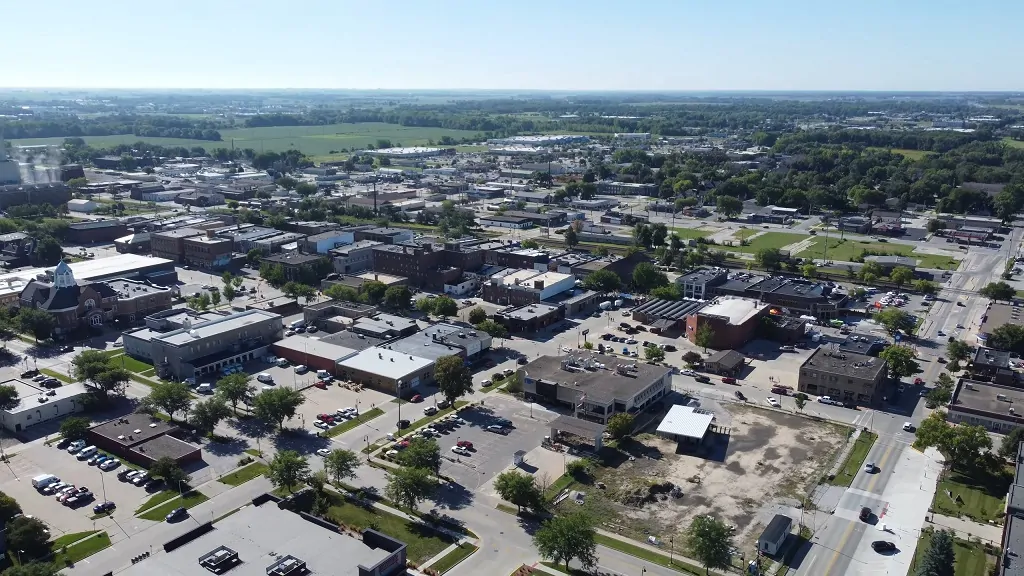
Ames consistently draws attention as a city that outperforms expectations tied to size. Strong academic influence and concentrated technical output combine to create momentum that rivals much larger markets.
What is interesting is that Ames holds the number one position in the State of the Silicon Prairie report, a ranking driven by measurable company formation and sustained technical employment growth.
Economic impact generated per capita exceeds state and regional averages, positioning the city ahead of peers with far larger populations.
Outsized performance becomes clear when examining company output across key sectors.
Engineering, energy, and IT firms founded locally generate results that surpass projections based on workforce scale, including:
- higher rates of startup creation per resident
- elevated technical employment concentration
- sustained retention of graduates within the local economy
Iowa State University plays a direct role in this performance. Academic programs supply engineers, developers, and researchers who transition quickly into startups, research-driven ventures, and established firms.
Talent retention remains strong due to close ties between faculty research, commercialization efforts, and private sector demand.
Industry analysis consistently notes that Ames maintains a tech footprint larger than population and workforce metrics suggest. Institutional alignment and consistent output continue to reinforce that position.
2. Des Moines
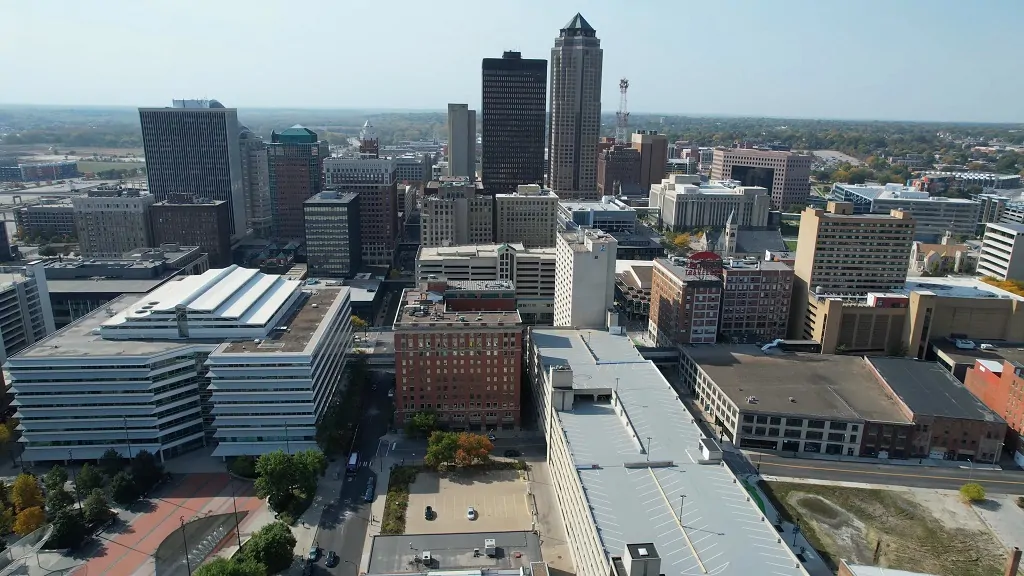
Des Moines operates as Iowa’s largest and most diversified tech hub, balancing established enterprise presence with growing startup activity. Scale, infrastructure, and steady migration contribute to ongoing growth.
Des Moines ranks fifth in the Silicon Prairie report, reflecting sustained strength across employment, company density, and investment activity.
Fintech and insurance technology anchor the local economy, supported by long-standing institutions that require advanced technical talent.
Major employers serve as stabilizing forces while also acting as talent incubators. Principal and Nationwide influence hiring demand, skill development, and vendor ecosystems that benefit smaller firms.
Startup support infrastructure continues expanding. Accelerators, coworking spaces, and mentorship networks provide early-stage founders access to guidance, capital connections, and customer pipelines. Growth in these resources reduces barriers for first-time entrepreneurs.
Cost advantages remain among the most compelling factors driving relocation and expansion decisions.
Office pricing illustrates the difference clearly:
- Des Moines office space is as low as $16 per square foot
- Silicon Valley office space near $75 per square foot
Population movement further reinforces momentum. Des Moines remains one of the few U.S. metro areas gaining residents relocating both east and west.
Workforce growth strengthens labor availability while increasing demand across housing, services, and technology adoption.
3. Iowa City
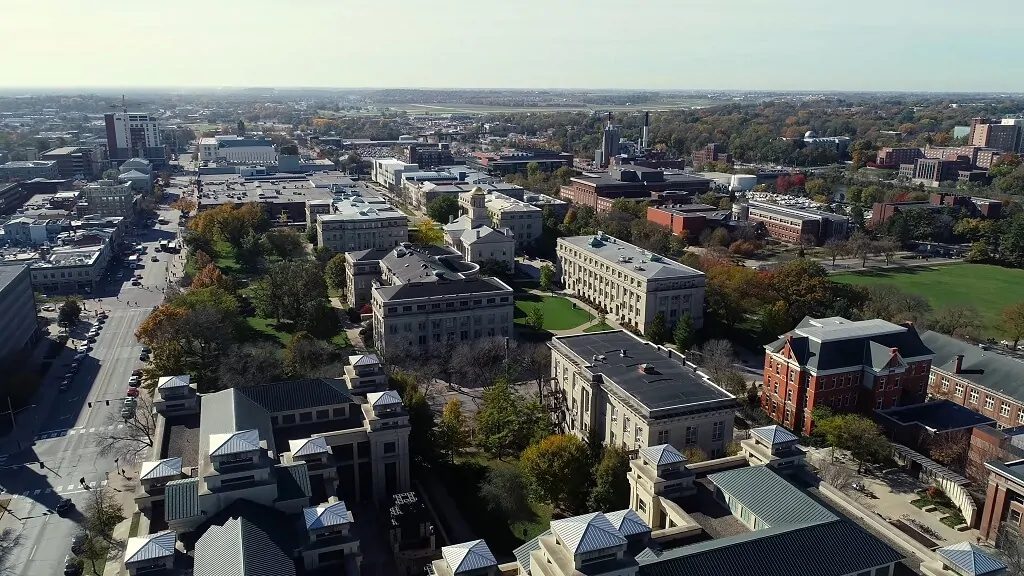
Iowa City combines academic research strength with early-stage startup development. University-driven innovation shapes local company formation and technical specialization.
Iowa City holds sixth place in the Silicon Prairie report. Ranking reflects steady growth rather than explosive expansion, supported by consistent research output and commercialization activity.
University of Iowa research programs fuel innovation across multiple disciplines. Faculty-led initiatives and grant-funded research translate into startups, licensing activity, and partnerships with private firms.
Technical talent development benefits directly as students gain exposure to applied research and entrepreneurship.
Startup growth continues at an early stage level, with concentration visible in specific focus areas. Health technology and education platforms attract founders who leverage clinical research, data science, and instructional innovation tied to university resources.
4. Sioux City
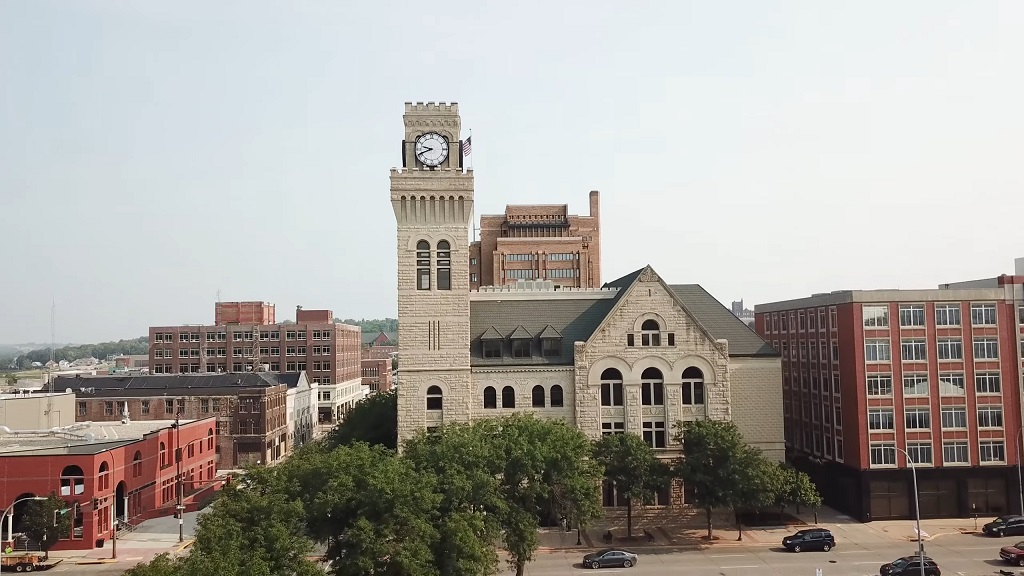
Sioux City represents a rising market gaining recognition through coordinated local effort and expanding startup visibility. Growth remains early but measurable.
The city ranks ninth in the Silicon Prairie report. Placement reflects emerging momentum rather than established scale, signaling potential tied to community engagement and increasing founder activity.
Recognition as an up-and-coming tech community aligns with observable trends such as:
- growing number of small startups and technical firms
- increased participation in regional innovation initiatives
- stronger collaboration among local leaders, educators, and entrepreneurs
Momentum depends heavily on continued investment and talent attraction, though current indicators show steady progress.
5. Cedar Rapids
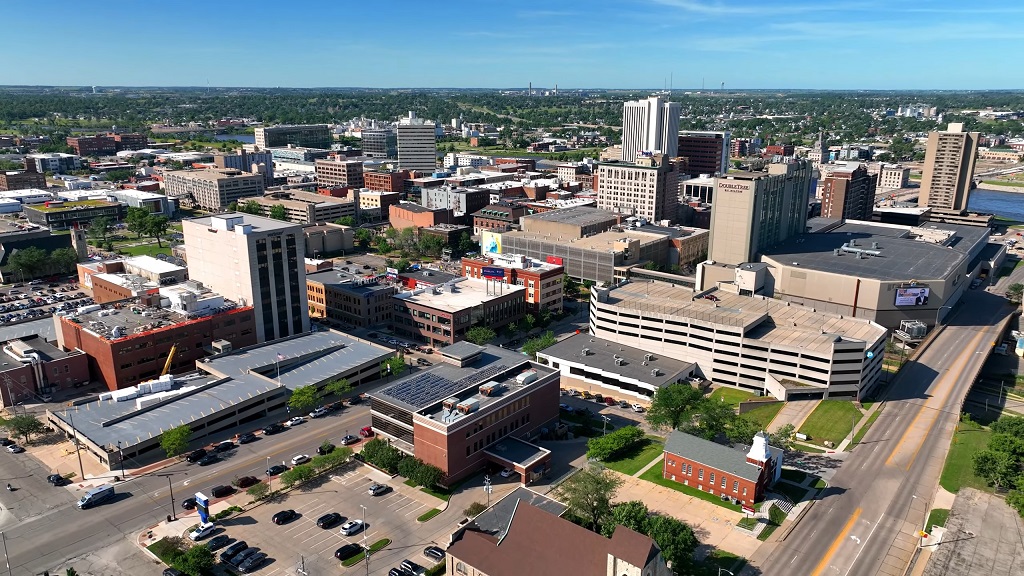
Cedar Rapids maintains a quieter but consistent role within Iowa’s tech economy. Momentum builds through infrastructure development and targeted sector growth.
Cedar Rapids appears in additional reports even without a top ten placement. Continued inclusion signals relevance driven by industrial integration and enterprise investment.
Infrastructure investment and expansion by tech firms strengthen local activity.
Focus remains less startup-centric and more enterprise-oriented, supporting stable employment and long-term growth.
Primary technology sectors define current direction:
- data centers supporting regional and national operations
- IT services aligned with enterprise needs
- manufacturing technology integration, improving productivity, and automation
Why the Midwest and Iowa Attract Tech
Momentum across Midwest tech hubs reflects structural advantages that favor sustainability, scalability, and workforce stability.
Iowa benefits directly due to alignment between cost structure, talent pipelines, and coordinated regional strategy.
Interest continues growing among founders, investors, and remote workers seeking efficiency without sacrificing opportunity.
Lower Costs of Living and Operations
Cost structure remains one of the strongest drivers of tech migration into Iowa and neighboring states.
Operating expenses stay dramatically lower than coastal markets, allowing companies to allocate capital toward hiring, product development, and customer acquisition rather than overhead.
Office rents illustrate the scale of the gap:
- up to 93% lower pricing in cities like Des Moines compared to San Francisco
- significantly reduced housing costs, supporting workforce retention and relocation
Savings extend startup runways and reduce pressure tied to rapid fundraising cycles. Companies gain flexibility to grow at a measured pace while maintaining financial discipline.
Remote Work and Quality of Life
Remote work adoption during the pandemic reshaped how tech professionals evaluate location decisions.
Midwest cities gained traction as viable long-term options rather than temporary alternatives.
Slower daily pace, shorter commutes, and increased access to space influence relocation choices.
Iowa cities benefit as professionals prioritize stability, affordability, and work-life balance while maintaining access to national and global markets through digital infrastructure.
Increased VC Attention
Investor behavior shifted noticeably toward Midwest markets during the last decade. Venture capital investment across Midwest startups rose sharply, validating confidence in founder quality and business fundamentals.
Growth trajectory becomes clear through investment totals:
- $5 billion invested across Midwest startups in 2013
- $15 billion invested by 2018
Capital inflow strengthened local ecosystems and reduced reliance on coastal funding networks. Increased visibility further reinforced deal flow and founder confidence.
Supportive Ecosystem
Startup success depends heavily on surrounding support structures.
Iowa benefits due to coordinated efforts among public institutions, private companies, and nonprofit organizations focused on innovation and workforce development.
Support mechanisms extend across multiple layers:
- accelerators offering mentorship and early funding access
- coworking spaces supporting collaboration and flexibility
- universities supplying research, talent, and commercialization pathways
- established employers anchoring technical demand
Collaboration among these groups lowers barriers for founders and improves long term retention of skilled workers.
Summary
Iowa’s rise within the Silicon Prairie signals a shift in how tech growth is distributed across the United States.
Once overlooked in national conversations about innovation, several Iowa cities now compete aggressively for developers, founders, and remote professionals seeking long-term opportunity without coastal constraints.
Tech talent competition across Iowa no longer centers on a single metro.
Cities across the state leverage academic strength, industry specialization, affordability, and coordinated support systems to attract and retain skilled workers.