
Many drivers assume a dirty car creates only an appearance issue with no legal consequences.
Daily driving, winter weather, and rural roads often leave vehicles coated in dust, mud, or salt, leading many people to believe cleanliness has no connection to traffic law.
In Iowa, dirt goes further than cosmetics and can interfere with visibility and vehicle identification.
Lawmakers and courts focus on a driver’s ability to see clearly and on an officer’s ability to identify a vehicle.
Once grime interferes with either concern, legal exposure begins to increase.
Questions frequently arise about fines, traffic stops, and safety rules connected to dirty windshields, license plates, and lights.
Drivers often want to know where casual neglect ends and a ticket begins, especially during seasons when keeping a vehicle clean feels impractical.
Can You Be Pulled Over for a Dirty Car?
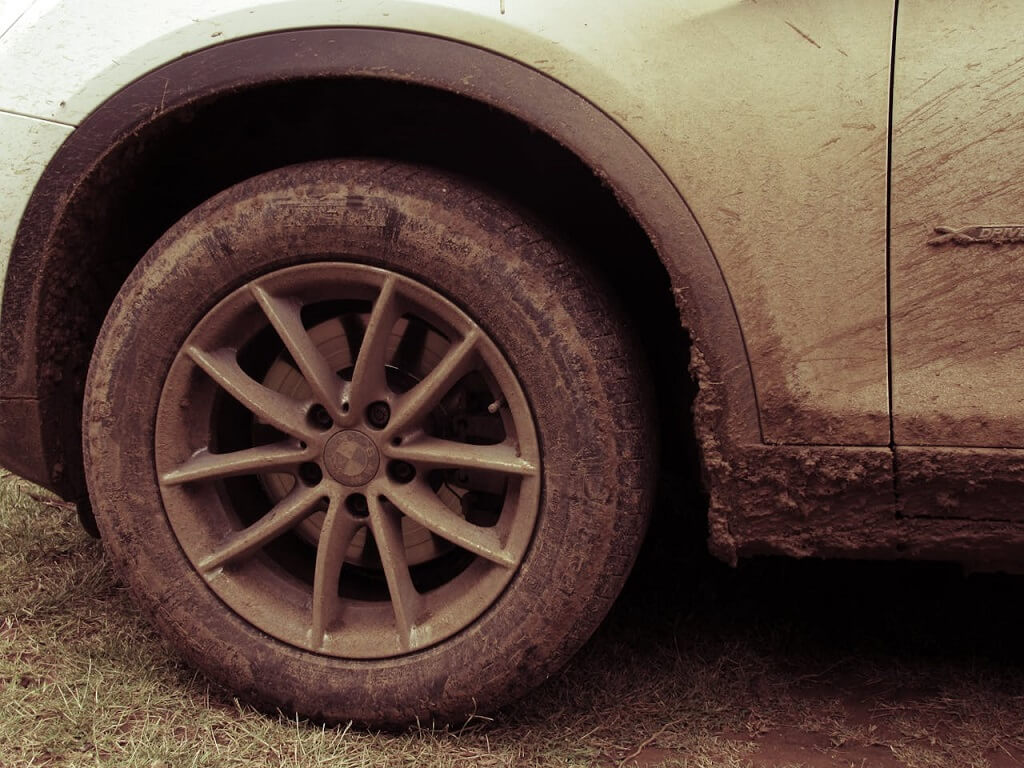
Traffic stops require a lawful basis, and police officers cannot stop a vehicle solely because it looks dirty.
Dirt by itself does not violate traffic law in most jurisdictions, including Iowa. Appearance alone does not create probable cause during a patrol.
Problems arise once grime affects parts of a vehicle that must remain visible and functional for safety and identification.
Law enforcement attention shifts toward risk prevention and compliance with equipment rules.
Dirt becomes relevant only after it interferes with safe driving or legal operation requirements.
Certain components tend to attract scrutiny once covered in buildup, particularly after snowstorms, gravel travel, or extended highway driving.
Dirt tracked inside the vehicle during these conditions can also accumulate quickly, making containment important for drivers who use practical solutions such as Hyundai floor mats to manage mud, snow, and debris during routine travel.
Officers commonly assess specific areas during visual checks:
- Windshields and windows that reduce a driver’s ability to see clearly
- License plates that cannot be read at a reasonable distance
- Headlights, brake lights, or turn signals obscured by mud or road salt
Officers may initiate a stop once dirt prevents safe operation or proper vehicle identification.
Enforcement usually relies on safety or equipment violations rather than a citation named solely for driving a dirty car.
Iowa-Specific Laws on Obstructed View and Dirty Cars
Iowa traffic law addresses visibility and driver awareness through several statutes.
Dirt does not appear as a standalone offense, yet visibility requirements apply no matter the cause.
Grime, snow, residue, or similar buildup can trigger enforcement once vision becomes impaired.
Obstructed View Law
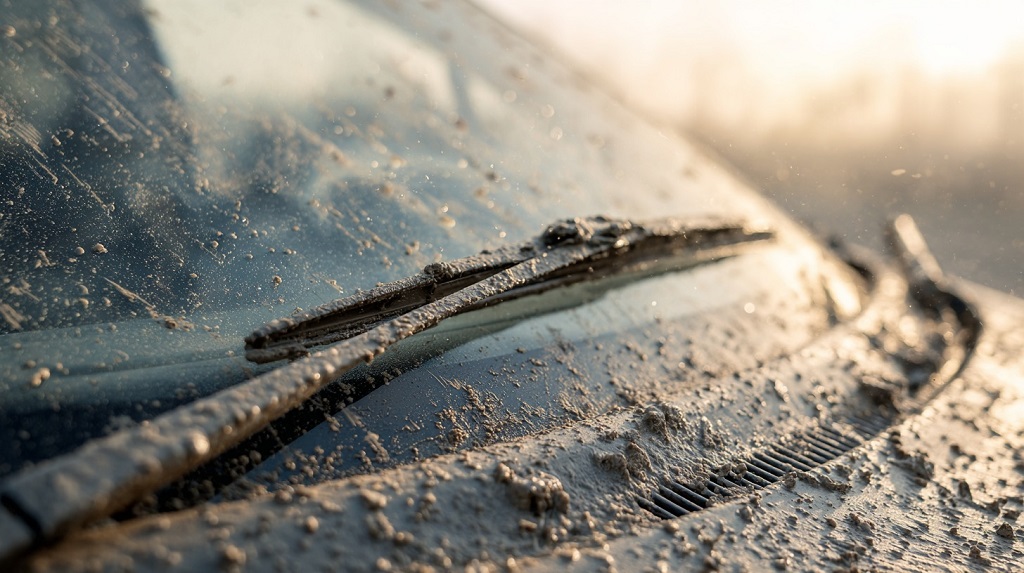
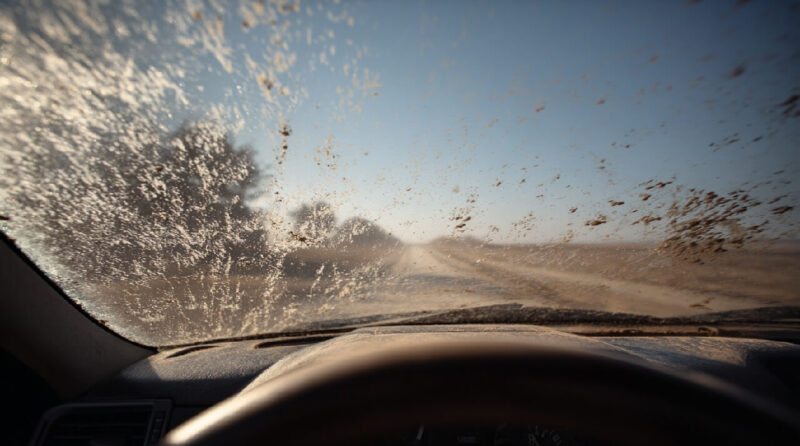
Iowa Code §321.438 requires vehicle windows to permit clear vision. Windshields, side windows, and rear windows must stay clear enough to allow drivers to observe traffic, pedestrians, and road conditions.
Dirt, mud, salt, pollen, or similar buildup can qualify as an obstruction once visibility suffers.
Partial cleaning does not satisfy legal standards. Clearing a small viewing spot while leaving most of the glass covered fails to meet compliance expectations.
Full window surfaces must allow clear vision to satisfy statutory requirements.
Obstructed View Caused by Passengers or Loads
Iowa Code §321.363 addresses obstructions created by passengers or cargo inside a vehicle.
Drivers may not operate a vehicle if people or items interfere with visibility ahead, visibility to the sides, or the ability to maintain proper control.
Safety concerns increase once interior conditions prevent a clear and consistent view of surrounding traffic.
Application of this rule most often involves overloaded vehicles, unsecured items, or passenger behavior that limits a driver’s line of sight. Items stacked too high, objects placed on dashboards, or passengers positioned in ways that block mirrors can all create compliance issues.
Situations commonly associated with enforcement include conditions such as:
- Cargo stacked above window level
- Large objects blocking rear or side mirrors
- Passengers obstructing the driver’s forward view
Focus rests on loads and occupants, yet the rule reinforces Iowa’s broader emphasis on unobstructed vision as a core safety requirement.
Lawmakers treat visibility as essential to reaction time, hazard detection, and overall control of a vehicle.
Any condition that blocks a driver’s view can trigger enforcement action regardless of origin.
Dirt on glass follows the same safety reasoning applied to physical obstructions inside the vehicle, since both limit a driver’s ability to observe traffic conditions and respond appropriately.
Fines and Citations in Iowa
Violations tied to obstructed view carry legal consequences even without a specific dirty car statute. Courts treat visibility problems as safety issues rather than cosmetic concerns.
Penalty for Obstructed View Violations
Driving with an obstructed view in Iowa qualifies as a simple misdemeanor. Courts may impose fines depending on circumstances, prior history, and severity of the obstruction.
Monetary penalties often fall within the following range:
- Approximately $105 at the lower end
- Up to about $855 in more serious or repeated cases
Penalties may apply once dirty windows or other obstructions reduce safe visibility, even if no accident occurs.
Related Enforcement Actions
Equipment and safety rules provide additional enforcement options. Officers may issue citations even when dirt does not affect windows directly.
Common situations leading to action include unreadable plates or obscured lighting equipment.
Examples frequently cited during traffic stops include:
- License plates covered by dirt or mud
- Headlights, tail lights, or turn signals blocked by grime
- Windows that prevent a clear field of vision
Warnings sometimes occur during minor infractions, yet fines remain possible if conditions pose safety concerns.
What This Means for Iowa Drivers
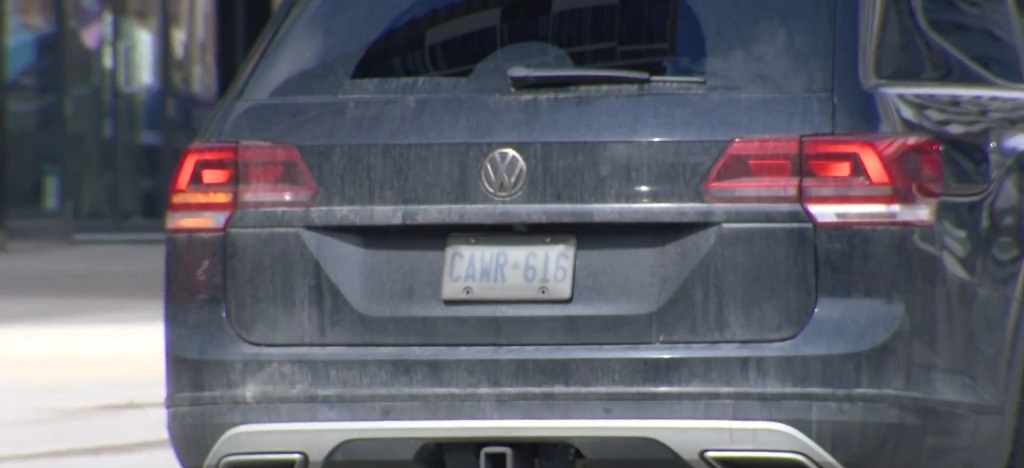
Dirty vehicles do not automatically violate Iowa law, and casual neglect does not trigger penalties on its own.
Legal trouble begins once dirt interferes with visibility, safety, or identification features required for lawful operation.
Drivers remain responsible for maintaining clear sight lines and readable equipment regardless of weather, road conditions, or time of year.
Regular attention to certain vehicle areas helps reduce exposure to traffic stops or citations.
Focus usually belongs on parts that affect safety or allow officers to identify a vehicle during normal enforcement activity.
Areas that deserve routine attention include:
- Windshields and windows needed for clear vision in traffic
- Headlights, brake lights, and turn signals required for communication with other drivers
- License plates that must remain readable at a reasonable distance
Law enforcement attention centers on safety and vehicle identification rather than exterior appearance.
Mud on doors or dust on bumpers rarely matters, while blocked glass or covered plates can create immediate issues.
Keeping critical areas clean lowers the risk of enforcement action and supports safer driving conditions across Iowa roads, especially during winter months and rural travel.
Summary
Iowa law does not ban dirty cars based only on looks.
Dirt that blocks vision or interferes with safe operation can support an obstructed view violation and a fine.
Compliance depends on visibility and safety factors instead of how much grime covers a vehicle’s exterior.